

 Français
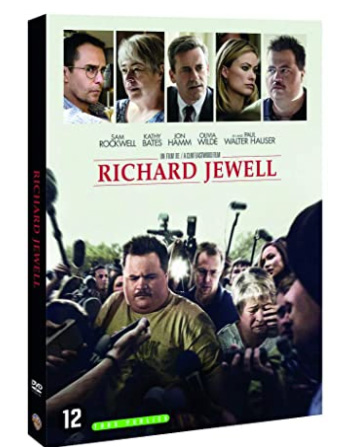
Richard Jewell
Synopsis
During the 1996 Atlanta Summer Olympic Games, security guard Richard Jewell discovers a suspicious backpack containing a pipe bomb in Centennial Olympic Park. Displaying incredible heroism, he alerts law enforcement and helps evacuate thousands of people before the bomb detonates, saving countless lives. However, within days, the FBI and media outlets shift their focus, falsely suspecting Jewell of planting the bomb himself. Facing a relentless smear campaign and intense federal pressure, Jewell must fight to clear his name with the help of an independent attorney.
The Making of the Film
Based on Marie Brenner's 1997 Vanity Fair article American Nightmare: The Ballad of Richard Jewell, the project was developed to expose a tragic miscarriage of justice. Director Clint Eastwood was drawn to the story of an ordinary, patriotic citizen crushed by the combined weight of government overreach and sensationalist media. Screenwriter Billy Ray crafted a taut, emotionally resonant script that detailed how a hero was unjustly turned into a pariah. Eastwood's production focused on meticulous factual accuracy regarding the frantic atmosphere of the 1996 bombing investigation.
Critical Reception
Upon its release, the film received generally positive reviews from critics, who praised Clint Eastwood's steady direction and Paul Walter Hauser's phenomenal breakthrough lead performance. Reviewers commended Kathy Bates for her deeply emotional, Oscar-nominated portrayal of Richard's devoted mother, Bobbi Jewell. Critics highlighted the film's timely commentary on media ethics, government presumption of guilt, and the vulnerability of ordinary citizens. While it faced some minor controversies regarding its portrayal of a journalist, its dramatic power and performances were widely celebrated.
Behind-the-Scenes Stories
Paul Walter Hauser immersed himself deeply in research, spending time with Richard Jewell's actual friends and mother to capture his mannerisms, speech patterns, and genuine patriotism. Clint Eastwood famously maintained his legendary fast-paced shooting style, often completing scenes in only one or two takes to keep performances fresh and spontaneous. The production utilized authentic archival footage and meticulously recreated Centennial Olympic Park in Atlanta to mirror the exact look and feel of 1996. Kathy Bates performed her grueling emotional breakdown scenes with intense focus, reducing cast members and crew to tears.
Themes Explored
The film explores the terrifying dangers of government overreach, investigative bias, and institutional scapegoating of innocent citizens. It critiques sensationalist media culture, the rush to judgment, and the erosion of the presumption of innocence. Furthermore, it highlights true heroism, loyalty, and the unwavering bond of family support during crisis.
Explication_fin
After enduring eighty-eight days of relentless public torment and federal scrutiny, Richard Jewell is officially cleared by the United States Department of Justice when they formally announce he is no longer a suspect. Though the real bomber Eric Rudolph is eventually caught years later, the film highlights how the FBI never offered Jewell a sincere, formal apology for destroying his reputation. In the final scenes, Richard returns to a regular life as a law enforcement officer, having retained his integrity and loyalty despite everything he suffered.
Meaning of the Title
setTitle: The English title Richard Jewell puts the real-life protagonist's full name front and center, emphasizing a biographical focus on an individual injustice. It highlights how an ordinary man was thrust into extraordinary circumstances and historical infamy through no fault of his own. The title establishes an intimate, character-driven dramatic tone.
Spotlight, The Post, Sully, Bridge of Spies