

 Français
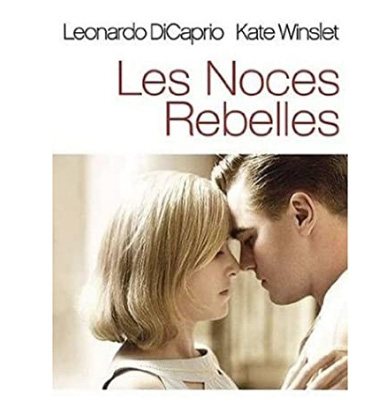
Revolutionary Road
Synopsis
Set in 1955 Connecticut, Frank and April Wheeler are a young, passionate upper-middle-class couple living in the suburbs who pride themselves on being different from their mundane neighbors. However, beneath their charming facade, both feel trapped by conformity, unrealized dreams, and domestic stagnation. Desperate to escape their empty routine, April hatches a bold plan to move their family to Paris so Frank can find himself, sparking a slow emotional unraveling. This devastating romantic drama exposes the dark underbelly of the American dream.
The Making of the Film
The film is adapted from Richard Yates' acclaimed 1961 novel of the same name, a literary classic of post-war American suburban disillusionment. Producer Albert Berger and actress Kate Winslet championed the project for years, eventually bringing on board director Sam Mendes. The production reunited Leonardo DiCaprio and Kate Winslet on screen for the first time since Titanic. Paramount Pictures backed the prestige project as an awards-season powerhouse.
Critical Reception
Professional critics showered the film with widespread critical acclaim, praising its razor-sharp screenplay, exquisite period production design, and devastating lead performances. Reviewers lauded Leonardo DiCaprio and Kate Winslet for their ferocious, emotionally raw chemistry portraying a failing marriage. Michael Shannon received universal praise for his brilliant supporting turn as a mentally unstable truth-teller.
Public reception was commercially successful for a prestige drama, resonating deeply with adult audiences and literary enthusiasts. Viewers were deeply moved by the tragic psychological realism of suburban claustrophobia. It solidified its status as a modern masterpiece of dramatic cinema.
Awards and recognition included three Academy Award nominations, multiple Golden Globe wins and nominations, and widespread praise from international critics associations. Kate Winslet won the Golden Globe for Best Actress for her harrowing performance. The film remains celebrated as a pinnacle of American dramatic filmmaking.
Filming Anecdotes
The director drew inspiration from 1950s advertising culture, mid-century modern architecture, and classic psychological dramas exploring domestic despair. Production utilized authentic suburban Connecticut neighborhoods and meticulously crafted soundstage interiors to recreate 1955 domestic life. The costume and art departments went to great lengths to ensure every prop reflected period accuracy.
Production challenges included maintaining intense psychological strain during the screaming matches and emotional breakdown scenes. Sam Mendes encouraged the lead actors to plumb emotional depths, resulting in exhausting daily shoots. Managing the delicate tonal balance between nostalgic suburban aesthetics and bitter marital warfare required meticulous direction.
A memorable anecdote involves Kate Winslet actively pushing for her real-life husband at the time, Sam Mendes, to direct the film and casting her former Titanic co-star Leonardo DiCaprio. DiCaprio and Winslet spent weeks discussing their characters' backstory to build believable marital intimacy. Michael Shannon nailed his complex psychiatric monologue in a single tour-de-force take.
The casting process reunited Leonardo DiCaprio and Kate Winslet, creating one of the most anticipated on-screen acting reunions in cinema history. Kathy Bates and David Harbour filled out the supporting cast with stellar performances. The ensemble cast brought incredible dramatic weight to every scene.
Themes Explored
The themes explored include marital disillusionment, the illusion of the American dream, suburban conformity, gender roles, and suppressed identity. The story examines how societal expectations can suffocate individual passion and destroy love. It also highlights the tragedy of unfulfilled potential.
Explanation of the Ending
The ending shows April attempting an unsafe medical procedure on herself after Frank dismisses her dreams of moving to Paris, resulting in tragic hemorrhaging and her sudden death at the hospital. A grief-stricken and hollowed-out Frank moves away to the city with their children, living a quiet, defeated life. In the final heartbreaking scene, an elderly neighbor turns off her hearing aid during casual neighborhood gossip, symbolizing the silent, tragic legacy of the Wheeler family.
Title Significance
The title 'Revolutionary Road' refers literally to the name of the suburban street where the Wheeler family resides in Connecticut. Metaphorically, it highlights the ironic contrast between the conventional suburban road and the couple's revolutionary desire to break free from conformity. The name encapsulates the central setting and thematic struggle of the narrative.
Original Soundtrack
The film features a poignant, melancholic musical score composed by Thomas Newman, capturing the quiet emotional desperation and nostalgic beauty of 1950s suburbia.
The film is frequently discussed in cinematic retrospectives analyzing masterclasses in dramatic acting and marital psychological dramas.
Marriage Story, Closer, The Ice Storm, American Beauty