

 Français
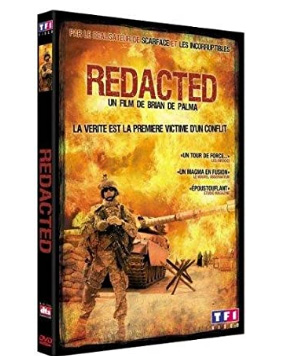
Redacted
Synopsis
Redacted is a harrowing and provocative war drama written and directed by Brian De Palma that examines the psychological toll of the Iraq War through the lens of modern media. Inspired by real-life wartime atrocities, the story follows a squad of young American soldiers stationed at a lonely checkpoint in Iraq. As the soldiers grow increasingly paranoid, exhausted, and desensitized to violence, a group of them commit an unspeakable crime against an innocent local family. The narrative is constructed through a simulated mosaic of fictionalized digital video diaries, surveillance footage, news broadcasts, and internet chat logs. The film stands as a fierce critique of media censorship and military violence.
The Making of the Film
Director Brian De Palma was deeply moved by real-world reports of military misconduct during the Iraq War, prompting him to craft an experimental film exploring how modern digital media frames conflict. De Palma chose to construct the narrative entirely from fictionalized found-footage sources, including soldier vlogs, security cameras, and internet video clips. Magnolia Pictures backed the controversial project, encouraging its uncompromising stylistic vision. The production utilized digital cameras to emulate authentic internet video quality and enhance the documentary realism.
Critical Reception
Professional critics offered deeply polarized reviews, dividing audiences between those who praised its fearless political critique and those who criticized its heavy-handed narrative execution. Reviewers commended Brian De Palma's stylistic audacity in using multi-perspective digital media to expose the horrors of war. Some critics felt the fictionalized found-footage approach felt contrived or didactic, yet acknowledged its emotional punch. It sparked intense debates regarding media censorship and wartime ethics upon its release.
Audiences experienced profound discomfort and shock, finding the unflinching depiction of military corruption and media complicity deeply disturbing. Viewers interested in political cinema and war critique appreciated its experimental format. While it had a limited commercial theatrical run, it earned a dedicated reputation as a daring modern protest film.
The film won the Silver Lion for Best Director at the Venice Film Festival, cementing Brian De Palma's legacy as a fearless cinematic provocateur.
Behind-the-Scenes Stories
Director Brian De Palma drew inspiration from real military blogs, YouTube video diaries, and documentary footage from the Iraq War to construct the multi-media format. Coordinating the simulated digital video quality across various camera types required meticulous post-production editing and visual effects filtering. During the filming of the tense checkpoint sequences, the actors maintained an immersive, documentary-style rehearsal process. Before the final release, studio discussions focused heavily on how to handle the controversial photographic closing credits.
Themes Explored
Iraq War, Media Censorship, Military Conduct, Trauma, Digital Footage, Ethics
Ending Explained
The devastating photographic montage during the credits shows uncensored images of real Iraqi civilian casualties, driving home the brutal human cost of war.
Meaning of the Title
The title refers directly to military and media censorship practices where sensitive information is blacked out or 'redacted' from public view.
The Hurt Locker, Generation Kill, Battle for Haditha, Platoon