

 Français
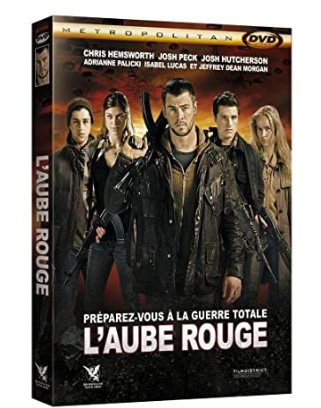
Red Dawn
Synopsis
In a quiet suburban town in Washington state, a group of teenagers wakes up to discover that North Korean paratroopers have invaded the United States, plunging the country into chaos. Refusing to surrender, a small band of resilient survivors retreats into the surrounding mountainous wilderness to form a guerrilla resistance group called the Wolverines. Armed with stolen weapons and youthful determination, they wage an asymmetric guerrilla war against the occupying military forces to reclaim their hometown. As betrayal, combat casualties, and relentless enemy patrols close in, the young fighters must decide how much they are willing to sacrifice for freedom.
The Making of the Film
Based on the 1984 classic action film starring Patrick Swayze, this contemporary remake was conceived to update the Cold War invasion premise for modern geopolitical tensions. Director Dan Bradley, a veteran second-unit stunt director, wanted to focus on visceral tactical combat, urban warfare, and realistic guerrilla tactics. The production originally filmed with Chinese invaders, but post-production geopolitical sensitivities forced studio executives to digitally alter flags and dialogue to substitute North Korea. The script was retooled to fit a younger, contemporary ensemble cast.
Critical Reception
Critical reception for the film was overwhelmingly negative, with reviewers panning its predictable plot, wooden performances, and jingoistic tone compared to the original 1980s cult classic. Critics felt the digital alteration of the invading nation left the narrative feeling disjointed and unconvincing. Audiences offered a modest box office response, making it a minor commercial performer that quickly faded from public memory. Despite the poor critical consensus, action fans appreciated the energetic modern shootout sequences.
Behind-the-Scenes Stories
Chris Hemsworth and Josh Peck underwent rigorous military boot camp training prior to filming to learn tactical handling of firearms and guerrilla movement. The production was filmed on location in Michigan, utilizing freezing autumn weather conditions to enhance the harsh wilderness survival atmosphere. Post-production editors had to spend millions digitally altering flags, patches, and dialogue to change the villains from Chinese to North Korean forces. Stunt coordinators designed elaborate explosive ambush scenes in suburban streets.
Themes Explored
The film explores guerrilla warfare, patriotism, teenage resistance against military occupation, and the loss of innocence during war. It highlights brotherhood, sacrifice, and fierce loyalty under extreme enemy pressure. Foreign invasion and domestic survival drive the action narrative. It also touches upon resilience.
Ending Explained
Following a devastating ambush that claims the lives of several key resistance fighters, Matt sacrifices himself in a heroic firefight to allow his younger brother Jed and surviving members to escape. Jed successfully leads the remaining Wolverines to join a larger American military counter-offensive operating out of a safe zone. The surviving teenagers emerge battle-scarred but resolute in their commitment to liberating their occupied country. The conclusion delivers a bittersweet, patriotic resolution to the guerrilla insurgency.
Meaning of the Title
The title refers both to the original franchise name and the iconic high school mascot name adopted by the teenage guerrilla fighters: the Wolverines. It symbolizes youthful defiance and resistance against an overwhelming red military menace. The phrase sets an aggressive, action-oriented tone.
Ramin Djawadi composed a pulsing, martial orchestral and electronic score that amplified the tension of the guerrilla warfare.
Red Dawn (1984), Tomorrow, When the War Began, Logan's Run, The Patriot