

 Français
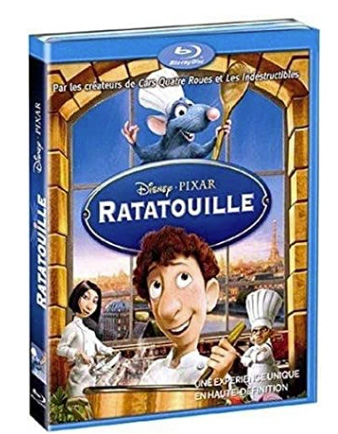
Ratatouille
Synopsis
Remy is a rat with an extraordinary sense of smell and a dream of becoming a great chef. When he ends up separated from his family in the heart of Paris, he finds himself beneath the kitchen of the famous restaurant Gusteau's. There he forms an unlikely partnership with Linguini, a clumsy young garbage boy. Together they try to create exquisite dishes while keeping Remy's secret from the rest of the staff.
The Making of the Film
Ratatouille was developed at Pixar from an idea originally conceived by Jan Pinkava, who had directed the short film Geri's Game. After a difficult early stage, Brad Bird, fresh from the success of The Incredibles, took over as director and reshaped the story. The film's concept of a rat who wants to become a chef was daring, since rats are not typically associated with fine dining. To make the kitchen scenes authentic, the animators and writers spent time in real restaurants and studied the pace of professional cooking. Chef Thomas Keller was consulted, and he created a refined version of the humble dish that gives the film its name. Paris itself was painstakingly recreated, with its rooftops, bistros and night lights. The film celebrates the idea that anyone can cook, as the motto of the fictional chef Gusteau says.
Reviews and reception
Summary of professional reviews
Critics were enthusiastic, praising the film's visual beauty, rich storytelling and heartfelt message. Many highlighted the sequence in which the critic Anton Ego tastes the dish and is transported to his childhood. It was widely considered one of Pixar's finest achievements. Some reviewers noted that the premise was unusual but charming.
Audience reception
The film earned around 620 million dollars worldwide and was loved by both children and adults. Audiences were enchanted by the Parisian setting and the food. It inspired many viewers to take an interest in cooking and French cuisine. Over time it has become a modern classic.
Awards and nominations
Ratatouille won the Academy Award for Best Animated Feature and received four additional nominations, including Best Original Screenplay and Best Original Score. It also won the Golden Globe for Best Animated Feature Film in the same year it was released. The film collected numerous other prizes from critics' associations around the world.
Filming anecdotes
Director's inspirations
Bird was inspired by the idea of talent hiding in unlikely places. He wanted to explore the passion of artists and the fear of critics, which led to the character of Anton Ego. The film's love letter to Paris and to cooking draws on real culinary traditions.
Production difficulties
Animating food so it looked appetizing was a major challenge, and the team studied the way light interacts with sauces, vegetables and steam. Making hundreds of rats move convincingly and creating the bustling kitchen demanded extensive technical development. The change of directors in the middle of production was also a significant hurdle.
Anecdote about a particular scene
Anton Ego's final tasting is the emotional heart of the film. When he takes a bite of the ratatouille, he is instantly taken back to his mother's kitchen as a child. This short flashback is often cited as one of the most moving moments in animation. It illustrates how food can carry memory and emotion.
Original casting plans
Patton Oswalt was chosen to voice Remy, while Peter O'Toole provided the haughty voice of Anton Ego. Lou Romano voiced Linguini and Janeane Garofalo the tough chef Colette.
Themes explored
The film is about passion, talent and the courage to pursue your dreams, no matter where you come from. It explores the idea that greatness can come from anyone, as expressed in the phrase anyone can cook. It also examines the role of critics and the importance of open-mindedness. Family and identity are key, as Remy must choose between his loyalty to his rat family and his culinary ambitions. The story celebrates creativity and the pleasure of sharing food. Finally, it reflects on honesty and the risk of living a double life.
Ending explained
After a series of crises, Remy and his rat family help the kitchen staff prepare a meal for the feared critic Anton Ego. Ego is deeply moved by the simple ratatouille and writes a glowing review that acknowledges that a great artist can come from anywhere. Although Gusteau's restaurant closes, Linguini and Colette open a new bistro, with Remy at the heart of the kitchen. The film ends on a warm note, showing that Remy has found a place where his talent is recognized. It is a gentle conclusion about acceptance and the joy of cooking.
Meaning of the title
Ratatouille is a traditional vegetable stew from the south of France, made with ingredients such as eggplant, zucchini, tomatoes and peppers. It is a humble dish, which fits the film's message that greatness can come from simple origins. The title also contains a playful nod to the word rat. It becomes the dish that wins over the harshest critic.
Original Soundtrack
Michael Giacchino composed the score, which was nominated for an Academy Award. His music captures the romance of Paris and the lively energy of the kitchen, with a jazzy and playful French flavor. The opening song, Le Festin, performed by Camille, adds a delicate and elegant touch. Together they give the film its distinctive sound.
Similar Films
- The Incredibles (2004): another Brad Bird film about hidden talents.
- Chef (2014): a feel-good story about cooking and passion.
- Julie & Julia (2009): a charming film about French cuisine.
- Babette's Feast (1987): a classic about the power of a beautiful meal.
- Big Night (1996): a comedy-drama about two brothers and their restaurant.