

 Français
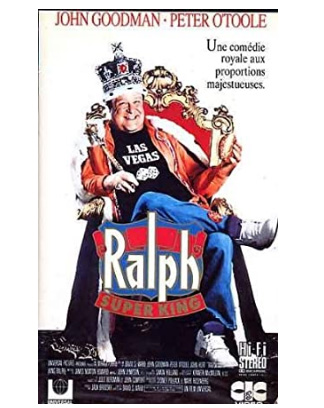
The Babe
Synopsis
This biographical sports drama chronicles the legendary life and baseball career of George Herman Babe Ruth, from his humble beginnings in a Baltimore orphanage to his iconic status as an American sporting god. Rising through the ranks of the Boston Red Sox and later achieving immortal fame with the New York Yankees, Ruth shatters home-run records while living a flamboyant, larger-than-life lifestyle of fast cars, food, and alcohol. Beneath his arrogant public persona, however, lies a deeply insecure man desperately yearning for paternal validation and a chance to manage a major league team. As his baseball career fades, he confronts the twilight of his glory days with lingering regret.
The Making of the Film
Director Arthur Hiller and screenwriter John Fusco sought to create an honest, warts-and-all biographical portrait of baseball greatest icon rather than a sanitized sports hagiography. Universal Pictures financed the baseball drama as a star vehicle for comedian John Goodman, who underwent intense physical transformation to embody the legendary slugger. The production aimed to capture the roaring 1920s atmosphere of American sports history.
Critical Reception
Critics gave the film mixed reviews, praising John Goodmans committed, robust lead performance and authentic period baseball recreations while criticizing its episodic and melodramatic screenplay. Reviewers noted that while Goodman captured Ruth explosive charisma and inner vulnerability, the script struggled to synthesize his complex life into a cohesive narrative. Audiences appreciated the nostalgic baseball atmosphere.
Public reception was modest, resulting in a disappointing box-office run that failed to cover production costs despite Goodmans acclaimed performance. General viewers found the tone uneven compared to triumphant sports classics. It remains a fascinating character study for baseball history fans.
The film did not receive major mainstream cinematic awards, reflecting its mixed critical reception upon release. John Goodmans physical dedication and emotional depth were celebrated by sports film critics. Its historical recreation of vintage Yankee Stadium remains a praised technical achievement.
Filming Anecdotes
Director Arthur Hiller drew inspiration from historical baseball archives, vintage newsreels, and biographies of Babe Ruth. He chose authentic ballparks and constructed period-accurate stadiums to replicate 1920s professional baseball environments. His direction pushed John Goodman to master left-handed batting swings and authentic player mannerisms.
Production went smoothly, though John Goodman endured hours in makeup and rigorous physical training to replicate Ruth stocky physique and baseball stance. The supporting cast of actors portraying historical baseball players trained extensively to execute period-accurate athletic plays. The wardrobe department designed wool flannels mirroring vintage uniforms.
A memorable sequence involves Babe Ruth hitting his legendary called-shot home run during the World Series amidst roaring crowds. The scene captures his supreme athletic arrogance and showmanship. Goodmans powerful swing made the sports triumph convincing.
The casting process was straightforward as John Goodman was the undisputed first choice for the monumental role due to his physical presence and everyman charm. Goodman embraced the challenge immediately, bringing immense emotional vulnerability to the sports icon. Kelly McGillis was cast as his supportive second wife Claire.
Themes Explored
The film explores sports legacy, personal excess, paternal rejection, fame, and aging. It highlights how sporting glory cannot cure internal emotional voids. Pride and vulnerability clash in professional sports.
NULL
Title Significance
The title refers directly to the legendary nickname of George Herman Ruth, known universally as The Babe. It highlights the monumental sporting figure whose life defined an era of American history.
NULL
NULL
Similar Films
Other similar films include The Natural, Field of Dreams, and 61*.