

 Français
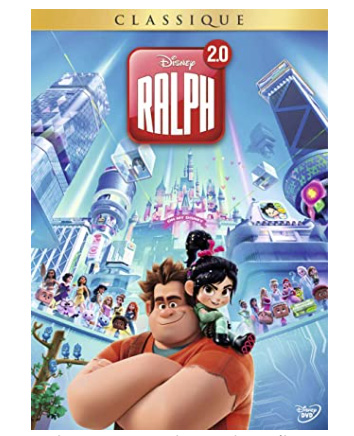
Ralph Breaks the Internet
Synopsis
Six years after the events of the first film, video game villain Ralph and his best friend Vanellope are still happy in their arcade routine. When the steering wheel of Vanellope's racing game breaks, the pair travel through the Wi-Fi router into the vast world of the internet to find a replacement. There they discover a dazzling digital city full of websites, algorithms and strange characters. Their friendship will be tested as they make new discoveries.
The Making of the Film
Ralph Breaks the Internet is the sequel to Wreck-It Ralph, released in 2012. Directors Rich Moore and Phil Johnston, who had both worked on the first film, wanted to explore a modern setting that audiences use daily. The idea of imagining the internet as a living city allowed the filmmakers to play with real brands and platforms, such as search engines, social networks and online shops. The story focuses on the friendship between Ralph and Vanellope, asking what happens when two best friends start to want different things. John C. Reilly and Sarah Silverman returned to voice the leads. New characters, such as the cool racing game heroine Shank, voiced by Gal Gadot, and the algorithm Yesss, voiced by Taraji P. Henson, were added. The film also features a famous scene involving the Disney princesses.
Reviews and reception
Summary of professional reviews
Critics were largely positive, praising the film's humor, its inventive vision of the internet and the emotional core of the friendship. Some reviewers found the plot a bit uneven and the satire of online culture somewhat superficial. Others singled out the princess scene as a highlight.
Audience reception
The film earned around 529 million dollars worldwide, a strong result for an animated sequel. Families enjoyed the colorful visuals and the many pop culture references. Fans of the original appreciated the return of familiar characters. Some viewers found the ending emotionally powerful.
Awards and nominations
Ralph Breaks the Internet was nominated for the Academy Award for Best Animated Feature. It also received nominations from other animation and critics' organizations. Its achievement was recognized for both its visual design and its heartfelt story.
Filming anecdotes
Director's inspirations
Moore and Johnston wanted the internet to feel like a vast and vibrant metropolis. They imagined data as people, search engines as librarians and pop-up ads as street hustlers. The aim was to make an abstract world visual and funny.
Production difficulties
Designing the internet meant building large, detailed digital environments filled with logos and real websites. The production had to obtain permission to use many familiar brands. The animation team also had to create crowds with thousands of unique avatars.
Anecdote about a particular scene
In one of the film's most talked-about scenes, Vanellope meets a group of Disney princesses in a backstage room and they poke fun at their own clichés. Many of the original voice actresses returned to play their characters, which delighted fans. The scene is an affectionate joke at the studio's own expense.
Themes explored
The central theme is friendship and the challenge of accepting that someone you love may change. Ralph must learn to let Vanellope follow her dreams instead of holding her back. The film also explores jealousy and insecurity, especially through Ralph's fear of losing his friend. It offers a playful but critical look at internet culture, from viral videos to online comments. The importance of self-worth and validation is another strand. Ultimately, the story argues that real friendship means supporting each other's growth.
Ending explained
After Ralph's insecurity causes serious trouble online, he realizes that he has been too controlling. He saves Vanellope and accepts that she wants to stay in the racing game Slaughter Race. The two friends say a tearful goodbye, understanding that they can still stay in touch through the internet. Back in the arcade, Ralph finds new friends, and the film ends on a note of hope. The conclusion shows that a friendship can survive distance and change.
Meaning of the title
The title is a humorous play on Ralph's role as a character who wrecks things and on the fear of someone literally breaking the internet. It suggests chaos, but the story shows that Ralph's true impact is emotional rather than destructive. The title also underlines the film's modern setting compared with the first movie. It signals a comedy about technology and its quirks.
Similar Films
- Wreck-It Ralph (2012): the original film about a video game villain.
- The Lego Movie (2014): a witty and inventive animated adventure.
- Toy Story (1995): a classic about friendship and change.
- Monsters, Inc. (2001): imaginative world-building with a warm friendship at the core.
- Zootopia (2016): another Disney animated film with a clever, modern take on society.