

 Français
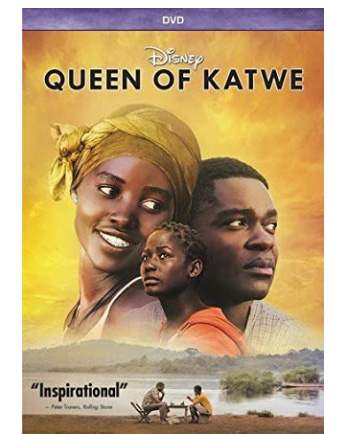
Queen of Katwe
Synopsis
Based on an incredible true story, a young Ugandan girl named Phiona Mutesi grows up amidst the crushing poverty and harsh realities of the Katwe slum in Kampala. Her life takes an unexpected, miraculous turn when she wanders into a local community chess outreach program run by a passionate missionary and discovers she has an extraordinary natural tactical genius for the game. Guided by her fiercely protective mother and dedicated mentor, Phiona rises through local tournaments to become a candidate master, competing on the global international stage. This inspiring biographical drama celebrates resilience, family, and extraordinary potential.
The Making of the Film
The concept for Queen of Katwe was adapted from Tim Crothers's acclaimed non-fiction book and ESPN magazine article detailing the remarkable life of Ugandan chess prodigy Phiona Mutesi. Producer Lydia Dean Pilcher and director Mira Nair were drawn to the project because it presented a rare, uplifting African story that rejected stereotypical tropes of poverty and instead highlighted joy, dignity, and intellectual brilliance. The production team collaborated closely with the real people of Katwe, shooting on location in the actual slums where Phiona grew up. The filmmakers sought to capture the vibrant culture, resilient community spirit, and color of Ugandan daily life.
Critical Reception
Professional critics gave overwhelmingly positive reviews to Queen of Katwe, praising its authentic depiction of East African life, uplifting narrative, and stellar lead performances by newcomer Madina Nalwanga and Lupita Nyong'o. Reviewers lauded director Mira Nair for avoiding patronizing melodramatic clichés and instead presenting a vibrant, joyous, and emotionally resonant biographical drama. The public response was warm and enthusiastic, though box office returns were modest compared to blockbuster studio tentpoles. Audiences were deeply moved by the inspirational journey of overcoming systemic adversity through intellect and perseverance. The film received numerous nominations from NAACP Image Awards and critics' circles.
Filming Anecdotes
Director Mira Nair drew heavy inspiration from her own deep personal connections to East Africa and real-life documentary footage of the Katwe community to ensure authentic cultural representation. Production involved filming directly on location in the dusty, crowded streets of Katwe, employing hundreds of local residents and neighborhood children as cast members and crew. During the filming of the tense chess tournament matches, young lead actress Madina Nalwanga learned real competitive chess strategies to make her board movements look completely professional. Before Madina Nalwanga was cast as Phiona, open casting calls across Uganda evaluated hundreds of local girls before discovering her extraordinary natural talent.
Main Themes
The film explores deep themes of resilience, maternal sacrifice, breaking poverty cycles, intellectual empowerment, and finding dignity in unpromising circumstances. It highlights how mentorship and opportunity can unlock hidden genius in unexpected places. Furthermore, it celebrates the power of community solidarity and self-belief.
Ending Explanation
The climax resolves Phiona's competitive journey as she travels to Russia for the Chess Olympiad, facing intense pressure and self-doubt before securing a triumphant victory that validates her years of grueling practice. Returning home to Katwe, she uses her chess earnings to buy a secure brick home for her mother and family, lifting them out of the dangerous flood-prone slums. Phiona achieves lasting peace and confidence, knowing her mind has built a secure future for her loved ones. The film ends on a joyful, celebratory note featuring real-life footage of the actual Phiona and her family.
Title Significance
The title honors the protagonist's remarkable rise from the impoverished slums of Katwe to become a celebrated chess champion and queen of the board.
The film features an inspiring, vibrant musical soundtrack blending traditional Ugandan rhythms and contemporary African hip-hop, featuring original songs like Alicia Keys's "Keep a Child."
NULL
The Boy Who Harnessed the Wind, Hidden Figures, Remember the Titans, Slumdog Millionaire