

 Français
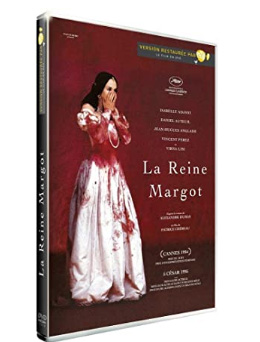
Queen Margot
Synopsis
Queen Margot is a sweeping historical drama that chronicles the turbulent life of Margaret of Valois during the French Renaissance and the brutal religious wars between Catholics and Protestants. Caught in a web of political marriages, royal intrigue, and bloodthirsty court betrayal, Margot navigates a dangerous world where survival demands absolute cunning. Her marriage to Henry of Navarre becomes a focal point of state manipulation leading up to the horrific St. Bartholomew's Day massacre. As she fights for her own autonomy and enduring love amidst political chaos, her legacy becomes etched in history. The film offers a rich exploration of power and passion.
The Making of the Film
Project development stemmed from filmmakers seeking to reinterpret the legendary French historical figure through a modern cinematic lens, drawing from Alexandre Dumas's classic novel and authentic royal archives. The production aimed to recreate the lavish and violent atmosphere of 16th-century French court politics with striking visual detail. Lavish period costumes and authentic European locations were utilized to capture the opulence and brutality of the era. The creative team worked closely with historical advisers to ensure the political conspiracies mirrored actual historical records.
Critical Reception
Professional critics offered favorable reviews, praising the film's opulent costume design, atmospheric historical recreation, and strong lead performances. Reviewers noted that the director successfully captured the dark, blood-soaked political intrigue of the French Renaissance without losing the personal human drama at its core. Some critics felt the complex web of political alliances occasionally required close attention, but acknowledged its overall gripping narrative power. It earned a respected place among historical drama fans.
Audiences responded with great enthusiasm, enjoying the lavish pageantry, high-stakes political betrayal, and passionate romance. Viewers fond of sweeping historical epics found it immersive and visually stunning. Word-of-mouth sustained its popularity on home video and streaming platforms.
The film earned regional cinematic recognition for its exceptional costume design, art direction, and historical cinematography.
Behind-the-Scenes Stories
Director and crew drew inspiration from classical Renaissance art, royal memoirs, and Alexandre Dumas's gothic historical novels to shape the atmosphere. Coordinating the massive crowd scenes and historical battle choreography required extensive planning with professional stunt coordinators. During the filming of the intricate court banquet sequences, the cast worked in historic European castles that enhanced their period immersion. Before final casting was locked in, various international actors were considered for the core royal roles.
Themes Explored
Power, Religion, Betrayal, Politics, Royal Court, Survival
Ending Explained
The poignant final scenes show Margot surviving the bloody court purges and securing her freedom, symbolizing the ultimate triumph of personal resilience over tyranny.
Meaning of the Title
The title directly references the famous historical nickname of Margaret of Valois, framing the entire biographical narrative around her royal identity.
Elizabeth, The Last Duel, Mary Queen of Scots, La Reine Margot