

 Français
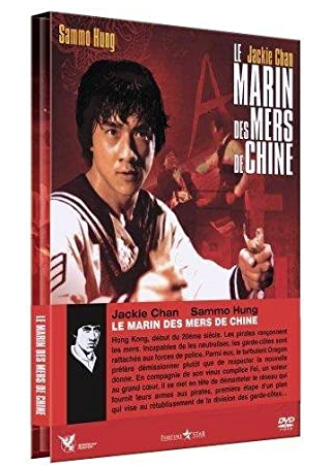
Project A
Synopsis
In late nineteenth-century Hong Kong, the coast guard struggles to control a powerful pirate gang operating along the coast. Dragon Ma, a determined coast guard officer, becomes involved in a conflict that exposes rivalry and corruption within the authorities. When the pirates intensify their attacks, Dragon joins forces with unlikely allies to protect the city and restore order. Their mission leads to a series of dangerous confrontations, elaborate stunts and comic misunderstandings. Combining martial arts, slapstick and adventure, the film follows the heroes as they attempt to defeat the pirates and prove their courage.
The Making of the Film
Project A, known in some markets as Jackie Chan's Project A, was directed by Jackie Chan, who also starred in the film. The project was developed as an ambitious action comedy combining martial arts, physical comedy and elaborate stunt work. Chan wanted to create a film that paid tribute to the classic adventure and slapstick traditions while showcasing his own approach to action choreography. The story is set in a fictionalised version of late nineteenth-century Hong Kong, where the authorities are struggling against piracy and corruption. The production brought together several performers associated with Jackie Chan's action cinema, including Sammo Hung and Yuen Biao. Their shared martial arts backgrounds allowed the filmmakers to create complex sequences built around timing, movement and physical interaction. The production required extensive preparation because many of the stunts were performed by the actors themselves. Chan also sought to combine the excitement of large-scale adventure with the precision of carefully choreographed comedy. The film became an important milestone in his career and helped establish the style that would define many of his later action comedies.
Critical Reception
Professional critical response: Project A is widely regarded as one of Jackie Chan's strongest early action comedies. Critics and action-film specialists have praised its inventive stunt work, physical humour and ambitious choreography. The combination of martial arts and slapstick distinguishes it from more conventional fighting films. Some elements of the plot are relatively simple, but the film's energy and visual creativity compensate for its straightforward narrative. Its most demanding stunts have become important examples of Jackie Chan's commitment to practical action filmmaking.
Audience reception: The film was successful with audiences interested in Hong Kong action cinema and helped strengthen Jackie Chan's international reputation. Viewers responded enthusiastically to its mixture of comedy, adventure and spectacular physical sequences. Its bicycle chase and clock tower stunt became particularly memorable. The presence of Sammo Hung and Yuen Biao also appealed to fans of Hong Kong martial arts cinema. The film has retained a strong following among audiences who appreciate practical stunts and inventive action choreography.
Awards and recognition: Project A is primarily recognised for its influence on Hong Kong action cinema rather than for a major international awards record. Its stunt work and choreography have frequently been praised in discussions of Jackie Chan's career. The film helped establish a creative model in which action scenes could function as both physical spectacle and comedy. Its legacy is reflected in the popularity of later films that adopted similar combinations of practical stunts, martial arts and humour.
Behind-the-Scenes Stories
Director's inspirations: Jackie Chan drew inspiration from classic silent comedy, adventure films and the physical humour of performers such as Buster Keaton. He wanted action scenes to communicate through movement and timing rather than relying on dialogue or rapid editing. The film also reflects his interest in creating stunts that appear dangerous while remaining carefully planned. By combining martial arts with comedy, Chan developed a style that became central to his international screen identity.
Production challenges: The film involved physically demanding stunts, complex choreography and numerous practical effects. Jackie Chan and his team had to plan each movement carefully to reduce the risk of injury while preserving the impression of spontaneity. The production also required coordination between several experienced martial artists. Filming the clock tower sequence was particularly challenging because of its height and the precision required for the movements. The combination of comedy and action meant that every stunt had to work both physically and dramatically.
A memorable scene: The clock tower sequence is one of the most famous stunts in Jackie Chan's career. It involves Dragon Ma climbing a tall clock structure before falling through several levels. The scene was inspired by the tradition of dangerous physical comedy associated with silent-film performers. Its impact comes from the use of real movement and practical stunt work rather than relying entirely on visual effects. It remains a defining example of Chan's willingness to place himself in physically demanding situations for the sake of a memorable scene.
Originally considered casting: Jackie Chan, Sammo Hung and Yuen Biao formed the film's central action ensemble. Their longstanding professional relationship and shared martial arts training gave the fight sequences a distinctive rhythm. Their different physical styles allowed the filmmakers to create varied combinations of comedy and combat. The supporting cast included actors suited to the film's mixture of historical adventure and broad humour.
Themes Explored
Project A explores courage, loyalty, teamwork and the struggle against corruption. Dragon Ma is committed to protecting the public, but he must work within an institution weakened by rivalry and competing interests. His partnership with unlikely allies shows that cooperation can overcome differences in personality and status. The film also celebrates resourcefulness and the ability to adapt when faced with unexpected danger. Beneath its comic surface, it presents a traditional adventure story about responsibility, honour and the defence of a community.
Explaining the Ending
The final confrontation brings Dragon Ma and his allies face to face with the pirate threat. Their combined efforts allow them to overcome the criminals and restore a measure of security to the coast. The victory also demonstrates the value of cooperation between people who initially distrusted one another. Dragon proves that courage and ingenuity can be more effective than authority alone. The conclusion follows the traditional adventure-comedy structure, rewarding the heroes for their loyalty and determination. Its celebratory tone reflects the film's belief in friendship, teamwork and the triumph of justice over intimidation.
The Meaning of the Title
The title Project A is deliberately simple and mysterious, presenting the story as an ambitious undertaking rather than revealing its plot directly. The letter A suggests the first stage of a larger operation or a major mission undertaken by the characters. It also gives the film a memorable identity that is easy to recognise internationally. The title has become closely associated with Jackie Chan's action-comedy style and with one of the most important productions of his early career.
The film features a score by Michael Lai, whose music supports its mixture of adventure, comedy and martial arts action. The soundtrack uses energetic themes to accompany the stunts and chase sequences. Its musical style reflects the conventions of Hong Kong cinema in the early 1980s. The score helps maintain the film's lively rhythm without competing with the physical humour and sound effects.
Similar films include Police Story, directed by Jackie Chan, which features ambitious practical stunts; Wheels on Meals, starring Jackie Chan, Sammo Hung and Yuen Biao, which combines martial arts and comedy; Drunken Master II, directed by Lau Kar-leung and starring Jackie Chan, which showcases inventive fight choreography; and Shanghai Noon, directed by Tom Dey, which mixes historical adventure, comedy and martial arts.