

 Français
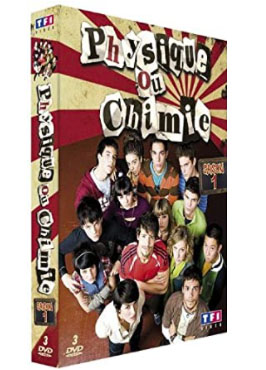
Physics or Chemistry
Synopsis
This gripping, provocative Spanish teen drama television series follows the chaotic personal and academic lives of teachers and students at the fictional Zurbarán high school in Madrid. As a new group of educators navigates the challenges of modern adolescence, they confront taboo social issues including teenage pregnancy, drug abuse, bullying, sexuality, eating disorders, and mental health struggles. With complex romantic entanglements and intense generational clashes, the series offers an unflinching look at youth culture. It is a bold, highly addictive international television hit.
The Making of the Film
Project origins stemmed from Antena 3 and creator Carlos Montero's desire to create a fearless, boundary-pushing teen drama that addressed real, unfiltered social issues facing modern Spanish youth without censorship. Showrunners sought to blend soap-opera romantic drama with gritty, realistic social commentary. Inspiration was drawn from contemporary high school realities, youth surveys, and provocative television trends. The creative team aimed to produce an explosive, highly addictive drama that resonated with teenage and young adult viewers across Europe and Latin America.
Critical Reception
Critics offered a mixed array of reviews, praising the series for its bold willingness to tackle controversial social taboos, diverse representation, and gripping soap-opera pacing while critiquing its occasional melodramatic excess. Reviewers noted that the young ensemble cast delivered passionate, committed performances that anchored the wild plot twists in genuine emotion. The show's fearless exploration of LGBTQ+ relationships and mental health earned widespread praise from cultural advocacy groups. It became a massive cultural phenomenon among young viewers.
Audience reception was massive and enthusiastic, driving the series to become a monster ratings hit in Spain and cultivating a fierce global cult following online. Viewers on public platforms praised the intense romantic chemistry, shocking cliffhangers, and relatable adolescent struggles. Fans of teen television celebrated its groundbreaking representation and addictive drama. Word-of-mouth sustained massive streaming popularity over multiple seasons.
Awards season brought notable recognition at Spanish television ceremonies, honoring the series' breakthrough young cast, popular appeal, and cultural impact. Critics' associations praised the show for redefining Spanish youth television. These accolades cemented its status as a landmark triumph in European teen drama.
Behind-the-Scenes Stories
The director and creator drew visual inspiration from contemporary Spanish youth culture, gritty urban high school classrooms, and moody dramatic framing to establish a sleek visual style. Every classroom, hallway, and teen hangout in Madrid was chosen to reflect the restless energy of the students. The production team collaborated with youth sociologists to ensure that social issues like bullying and mental health were handled with dramatic impact. These artistic choices created an immersive, gripping world.
Production presented intense logistical and emotional hurdles, requiring the young cast to handle heavy, controversial dramatic storylines under tight weekly television shooting schedules. The ensemble of rising Spanish actors built incredible off-camera friendship, which translated into natural on-screen chemistry during intense romantic scenes. Shooting on location in Madrid exposed the crew to hectic urban schedules. Furthermore, maintaining strict secrecy around shocking plot twists demanded intense focus from writers and directors.
During the filming of the dramatic school-wide crisis sequences, the cast executed emotional breakdowns and confrontations with total theatrical commitment. To maintain authentic tension, the directors encouraged open collaboration during script rehearsals. The crew utilized vibrant lighting to accentuate the youthful soap-opera aesthetic. This rigorous dedication resulted in legendary television moments.
Casting was a legendary discovery process, assembling a powerhouse ensemble of attractive, highly talented young Spanish actors including Úrsula Corberó, Maxi Iglesias, Mario Casas, and Adam Jezierski, many of whom launched massive international careers from the show. Supporting roles were filled with respected adult Spanish actors playing the conflicted teachers. This star-studded casting strategy was the absolute secret to the show's massive global success.
Themes Explored
The narrative deeply explores themes of adolescent identity, sexual awakening, and the complexities of modern youth culture. It examines bullying, mental health struggles, and the consequences of reckless behavior. Additionally, it highlights teacher-student boundary challenges, friendship, and loyalty. Ultimately, the film reflects on youth, rebellion, and finding oneself amidst chaos.
Ending Explained
The emotional series finale brings closure to the turbulent lives of the students and teachers as they graduate or move on from Zurbarán high school, facing bittersweet farewells and new adult horizons. Flashbacks and final reunions celebrate the profound impact the school had on shaping their identities despite all the pain and drama. The poignant resolution underscores that youth is a chaotic, unforgettable storm.
Meaning of the Title
The Spanish title ("Física o Química") directly references the traditional school subjects, symbolizing the volatile chemical reactions of teenage romance and education.
Similar Films
Films and series sharing similar provocative teen drama and high school themes include Élite (2018), Skins (UK series), and Degrassi (TV series).