

 Français
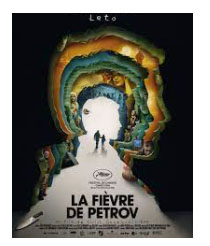
Petrov's Flu
Synopsis
This dizzying, hallucinatory, and surreal Russian black-comedy drama film follows Petrov, a broke comic-book artist living in post-Soviet Yekaterinburg who comes down with a severe case of the flu during the freezing winter holidays. As his fever spikes to dangerous levels, Petrov finds himself wandering through a nightmarish, dreamlike labyrinth of memory, delirium, and post-Soviet nostalgia, drifting between chaotic bus rides, violent encounters, and surreal flashbacks to his childhood. Interweaving the feverish exploits of his ex-wife a librarian and their young son, the narrative dissolves the boundaries between reality and fever dreams. It is a wildly ambitious, visually stunning masterpiece of modern European art-house cinema.
The Making of the Film
The project originated from visionary Russian director Kirill Serebrennikov adapting Alexey Salnikov's celebrated 2016 novel 'The Petrovs In and Around the Flu', writing and directing the film while under house arrest due to politically motivated legal charges in Russia. Serebrennikov sought to capture the frantic, febrile consciousness of post-Soviet Russian society through long, unbroken tracking shots and surrealist staging. Inspiration was drawn from classic Russian literature, feverish delirium, and avant-garde theater traditions. The creative team aimed to produce an uncompromised artistic triumph.
Critical Reception
Critics offered widespread, rapturous acclaim, praising Kirill Serebrennikov's virtuosic directorial technique, Vladislav Opelyants's breathtaking long-take cinematography, and the brilliant ensemble cast. Reviewers noted that Serebrennikov successfully transformed a difficult, dense modernist novel into a mesmerizing visual rollercoaster that captured the suffocating absurdity of contemporary Russian life. The astonishing twenty-minute single-take opening bus sequence received universal applause at the Cannes Film Festival where it competed for the Palme d'Or. It was immediately recognized as an independent cinema triumph.
Audience reception was warm among cinephiles and art-house film enthusiasts, driving strong international festival success and cult admiration worldwide. Viewers on public platforms praised the mind-bending camera work, surreal dark humor, and poetic fever-dream atmosphere. Fans of Russian cinema celebrated Serebrennikov's artistic resilience. Word-of-mouth sustained strong long-term prestige.
Awards season brought major triumph, securing the Vulcain Prize for technical artistry at the 2021 Cannes Film Festival, alongside multiple European Film Award nominations. Critics' associations praised the film for its stylistic brilliance and narrative originality. These accolades cemented its status as a premier masterpiece of modern European art-house cinema.
Behind-the-Scenes Stories
The director drew visual inspiration from classic Russian avant-garde art, theater stage design, and dizzying long-take cinematography to establish a hallucinatory aesthetic. Every location, from the crowded, snow-covered trolleybuses to Petrov's cluttered apartment, was constructed with meticulous physical detail and captured in complex unbroken takes. The production team collaborated with theater designers to ensure that dream sequences and memory transitions flowed seamlessly. These artistic choices created an immersive, disorienting world.
Production presented fascinating logistical and technical hurdles, requiring Kirill Serebrennikov to direct portions of the film remotely and coordinate massive, highly choreographed single-take camera movements involving dozens of extras in cramped spaces. The actors underwent extensive physical rehearsal to match the demanding timing of the camera rigs. Furthermore, maintaining strict emotional intensity across feverish dream states demanded obsessive focus from the cast.
During the filming of the epic opening bus-sequence where chaos erupts among passengers, the actors executed their frantic dialogue amidst complex camera choreography with total professional commitment. To maintain authentic tension, Serebrennikov utilized uninterrupted master shots. The crew utilized freezing winter lighting. This rigorous dedication resulted in immortal cinematic moments.
Casting was anchored by securing talented actor Semyon Serzin as Petrov, alongside Chulpan Khamatova as his ex-wife. Supporting roles featured Yury Kolokolnikov and Ivan Dorn. This targeted casting strategy was the absolute heartbeat of the film's success.
Themes Explored
The narrative deeply explores themes of feverish delirium, post-Soviet collective memory, and the blurred lines between reality and dreams. It examines family dysfunction, artistic frustration, and the surreal absurdity of modern Russian life. Additionally, it highlights illness as a spiritual crisis, nostalgia, and escaping psychological trauma. Ultimately, the film reflects on time passing, memory, and the fever dreams of history.
Ending Explained
Petrov finally wakes up from his agonizing, multi-day flu delirium as the New Year holiday arrives, sitting quietly with his family while realizing that his entire feverish journey through memory and ghosts was a profound psychological reckoning with his past. In the haunting final shot, Petrov looks out the window at the quiet snowy street with a newfound sense of peace. The surreal resolution underscores the healing power of feverish release.
Meaning of the Title
The title directly references the protagonist's severe illness that triggers the surreal, hallucinatory narrative journey ("Petrov's Flu").
Similar Films
Films sharing similar surrealist art-house drama, fever-dream narratives, and Russian cinema themes include Mirror (1975), The Turin Horse (2011), and Boyhood (2014).