

 Français
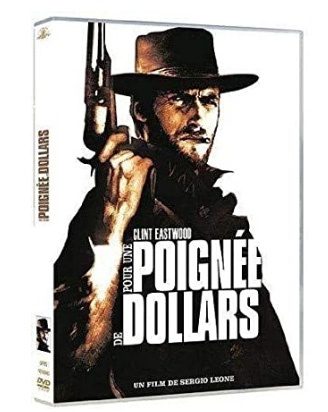
A Fistful of Dollars
Synopsis
Set during the mid-19th century along the lawless Mexican border, a mysterious, unnamed drifter known only as the Man with No Name arrives in the dusty, war-torn border town of San Miguel. Recognizing that the town is torn apart by a bloody feud between two rival smuggling families—the Baxters and the Rojos—the cunning gunslinger decides to play both sides against each other for maximum financial profit. Armed with unmatched lightning-fast revolver skills and a bulletproof iron chest-plate hidden beneath his poncho, he orchestrates a dangerous game of deception. As violence escalates, he risks everything to rescue an innocent woman and cleanse the corrupt town in a fiery shootout.
The Making of the Film
Director Sergio Leone conceived the groundbreaking spaghetti western as an unofficial, unauthorized cinematic remake of Akira Kurosawa classic 1961 samurai masterpiece Yojimbo. Leone wanted to inject cynical grit, operatic violence, and stark moral ambiguity into a dying American western genre. Italian and Spanish studios financed the low-budget production, launching a legendary cinematic revolution.
Critical Reception
Critics initially dismissed A Fistful of Dollars upon its Italian release as a cheap, violent B-movie imitation of American westerns. Over subsequent decades, however, film historians and international critics completely reappraised the movie as a visionary masterpiece that reinvented the western genre forever. Clint Eastwood performance was universally praised as iconic.
Public reception was explosive, turning the low-budget Italian western into a massive box-office blockbuster across Europe and later worldwide. Audiences fell in love with Eastwood taciturn anti-hero persona, Ennio Morricone whistling score, and gritty violence. It remains an all-time classic.
The film earned massive international commercial success and cemented Clint Eastwood as a global cinematic superstar. Ennio Morricone iconic musical score became legendary worldwide. Its critical legacy stands as the birth of the spaghetti western era.
Behind-the-Scenes Stories
Director Sergio Leone drew inspiration from Akira Kurosawa samurai films, classical Greek tragedy, and gritty pulp fiction. He chose arid, sun-baked desert locations in Almería, Spain, to replicate the lawless American borderlands. His direction pushed Clint Eastwood to create his legendary stoic persona with minimal dialogue and trademark cigar chewing.
Production operated on a very tight budget, with Leone struggling to secure English-speaking actors and dealing with multilingual crew communication hurdles. Clint Eastwood famously bought his own iconic poncho in motion picture shops in western towns and reused his cigars throughout shooting. Ennio Morricone composed his revolutionary score using whips, church bells, and whistling.
A memorable sequence involves the Man with No Name walking slowly down the dusty main street of San Miguel while wearing an iron plate beneath his poncho to deflect enemy bullets during the climax. The scene established the ultimate spaghetti western showdown trope. Eastwood stoic demeanor anchored the tension.
The casting process was challenging as Leone initially wanted major American stars like Henry Fonda or Charles Bronson, who were too expensive, leading him to cast relatively unknown television actor Clint Eastwood. Eastwood gravelly voice and squinting eyes created the legendary anti-hero archetype.
Themes Explored
The film explores cynicism, greed, vengeance, vigilante justice, moral ambiguity, and survival. It shatters traditional Hollywood cowboy heroism in favor of mercenary self-interest. Violence rules lawless frontiers.
NULL
Meaning of the Title
The title refers literally to the small handful of blood-soaked dollars earned by the mercenary gunslinger for his dangerous exploits. It highlights the cynical financial motivation driving the plot.
NULL
NULL
Similar Films
Other similar films include For a Few Dollars More, The Good, the Bad and the Ugly, and Yojimbo.