

 Français
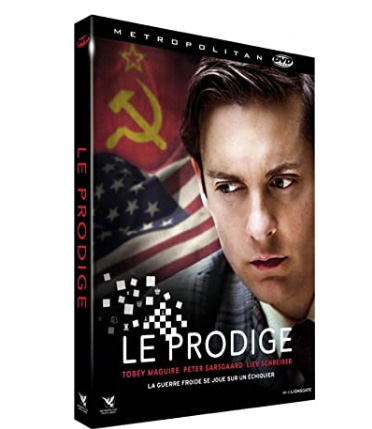
Pawn Sacrifice
Synopsis
During the height of the Cold War, American chess prodigy Bobby Fischer finds himself caught between two superpowers as he prepares to challenge Soviet world champion Boris Spassky. As the legendary 1972 World Chess Championship in Reykjavik approaches, Fischer battles intense media scrutiny, paranoia, and his own deteriorating mental health. Backed by his loyal manager and a supportive priest, he steps onto the global stage for the ultimate psychological showdown. This gripping biographical drama explores genius, madness, and geopolitical rivalry.
The Making of the Film
The film was developed by writer Steven Knight and producer Gail Katz to explore the fascinating true-life psychological turmoil of Bobby Fischer during the historic 1972 World Chess Championship. Director Edward Zwick was drawn to the project because it combined high-stakes Cold War political drama with an intimate character study of a brilliant yet troubled mind. The production aimed to recreate the tense atmosphere of the 1970s chess world with absolute historical authenticity. Writers spent years researching Fischer's life and the geopolitical pressures surrounding the tournament.
Critical Reception
Professional critics praised the film for its taut pacing, meticulous period detail, and Tobey Maguire's powerful, nuanced performance as Bobby Fischer. Reviewers noted that the movie successfully translated the intellectual game of chess into a tense, cinematic spectator sport. The dynamic contrast between Maguire's erratic Fischer and Liev Schreiber's composed Spassky received widespread acclaim.
Public reception was moderate at the box office, finding a dedicated audience among history buffs, chess enthusiasts, and drama fans. Audiences appreciated the psychological depth and the accurate recreation of the historic Reykjavik championship. It cemented its reputation as a solid biographical drama.
Awards and recognition were relatively modest, receiving occasional festival nominations and praise from independent film circles. Tobey Maguire's intense physical and psychological transformation earned critical respect. The film remains a notable cinematic tribute to one of sports history's most enigmatic figures.
Filming Anecdotes
The director drew inspiration from classic 1970s political thrillers, documentary archival footage of the actual 1972 tournament, and psychological character studies. Production utilized authentic period locations in Canada and Iceland to recreate cold war environments and the historic tournament hall. Stunt coordinators and chess consultants ensured every match accurately reflected actual historic game moves.
Production challenges included capturing the intense psychological breakdown of the protagonist without alienating mainstream viewers who might not understand chess rules. The art department meticulously sourced 1970s wardrobe, television equipment, and hotel room decor to maintain strict historical continuity. Maintaining a tense, claustrophobic atmosphere on set required precise lighting choices.
A memorable anecdote involves Tobey Maguire spending months studying chess openings, body language, and Fischer's specific mannerisms to deliver an authentic portrayal. Liev Schreiber learned to speak Russian dialogue fluently for his role as Boris Spassky. The cast enjoyed playing casual chess matches between difficult dramatic takes to maintain camaraderie.
The casting process successfully paired Tobey Maguire with Liev Schreiber, creating an electric screen rivalry that mirrored the real-life chess champions. Supporting roles were filled by seasoned character actors to provide a grounding American support team. The ensemble chemistry was emphasized during pre-production rehearsals.
Themes Explored
The themes explored include genius versus madness, Cold War propaganda, obsession, paranoia, and the personal cost of greatness. The story examines how intense societal expectations can fracture an unstable mind. It also highlights sportsmanship and mutual respect between rivals across ideological divides.
Explanation of the Ending
The ending shows Bobby Fischer winning the historic 1972 World Chess Championship against Boris Spassky, securing a monumental psychological victory for the United States during the Cold War. Despite his triumph, Fischer refuses to bask in the global glory, sinking further into severe paranoia and isolation. The concluding title cards reveal his tragic later years and his enduring legacy as a chess titan.
Title Significance
The title 'Pawn Sacrifice' refers to a common chess strategy where a player voluntarily gives up a pawn to gain a tactical advantage. In the context of the film, it symbolizes how Bobby Fischer was viewed as a geopolitical pawn by both American and Soviet superpowers during the Cold War. The name encapsulates the personal sacrifice required for historic achievement.
The film continues to be streamed by chess enthusiasts and frequently discussed following major international chess tournaments.
The Queen's Gambit, A Beautiful Mind, The Imitation Game, Bobby Fischer Against the World