

 Français
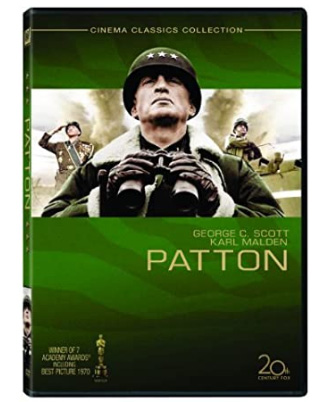
Patton
Synopsis
This biographical war film chronicles the controversial military career of General George S. Patton Jr. during World War II. From his early North African campaigns to the sweeping armored offensives across Europe, Patton proves to be a brilliant yet abrasive tactical genius. His fierce independent streak, belief in reincarnation, and insubordinate public remarks constantly clash with his superior officers. Ultimately, his uncompromising personality leads to his sidelining despite his undeniable contributions to the Allied victory.
The Making of the Film
Producer Frank McCarthy spent years developing a cinematic biography based on the historical books Patton: The Ordeal and Triumph by Ladislas Farago and writings by Omar Bradley. Screenwriters Francis Ford Coppola and Edmund H. North crafted a complex script balancing Pattons military brilliance with his eccentric personality. 20th Century Fox financed the epic biographical project.
Critical Reception
Critics universally acclaimed Patton for its sophisticated screenplay, stunning cinematography, and George C. Scotts towering lead performance. Reviewers praised the film for presenting a nuanced portrait of a flawed military commander without resorting to simple hagiography. The iconic opening monologue delivered in front of a giant American flag immediately became a legendary piece of cinema history.
Public reception was overwhelmingly positive, making the biographical war film a major box-office success worldwide. Audiences were captivated by the grand scale of the battle sequences and Scotts magnetic intensity. It remains a definitive masterpiece of historical war cinema.
The film won seven Academy Awards, including Best Picture, Best Director for Franklin J. Schaffner, and Best Actor for George C. Scott. Notably, George C. Scott famously refused to accept his Oscar due to his philosophical opposition to award competitions. Its critical legacy remains exceptionally strong.
Filming Anecdotes
Director Franklin J. Schaffner drew inspiration from historical archives and Pattons own published memoirs to maintain rigorous biographical authenticity. He utilized wide widescreen lenses and authentic European locations to capture the sweeping scale of armored tank warfare. His direction encouraged George C. Scott to fully immerse himself in the generals explosive temperament.
Production faced diplomatic hurdles requiring extensive cooperation with the Spanish Army, which provided modern tanks disguised as World War II armor. George C. Scott studied historical footage meticulously to replicate Pattons distinct posture, voice cadence, and mannerisms. The harsh weather conditions during European shoots tested the physical endurance of the crew.
A memorable sequence involves Patton standing proudly on a hill during a North African tank battle, declaring his belief that he fought in these wars before. The scene brilliantly establishes his eccentric spiritual worldview and obsession with military history. Scotts powerful delivery grounded the surreal moment.
The casting process was challenging because several major Hollywood stars turned down the demanding role before George C. Scott accepted. Burt Lancaster and John Wayne were initially considered by studio executives before producers realized Scott possessed the necessary intensity. Scott initially hesitated but delivered a career-defining performance.
Themes Explored
The film explores military leadership, the paradox of war, individuality versus institutional hierarchy, and historical destiny. It examines how brilliant commanders who thrive in chaos often struggle to adapt to peacetime diplomacy. Ambition, ego, and duty are central psychological motifs.
NULL
Title Significance
The title directly honors General George S. Patton Jr., the central historical figure whose complex legacy drives the entire narrative. It highlights his dominant personality that overshadowed the broader military campaigns.
NULL
NULL
Similar Films
Other similar films include The Longest Day, MacArthur, and Waterloo.