

 Français
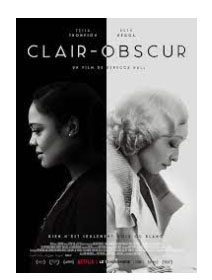
Passing
Synopsis
In 1920s Harlem, Irene Redfield, a Black woman living a comfortable life, unexpectedly meets her childhood friend Clare Kendry. Clare has been passing as white and is married to a wealthy man who is unaware of her heritage. Irene is both fascinated and unsettled by Clare's choices and her growing presence in her life. As the two women become entangled, tension, jealousy and secrets threaten to unravel everything.
The Making of the Film
Passing is based on the 1929 novel by Nella Larsen, a landmark of the Harlem Renaissance. It marks the directorial debut of actress Rebecca Hall, who also wrote the screenplay. The project is deeply personal for Hall, who discovered that her maternal grandfather had passed as white during his life. She spent more than a decade trying to bring the story to the screen. The film was shot in black and white and in a nearly square aspect ratio, which gives it a classic, intimate feel. Tessa Thompson and Ruth Negga star as Irene and Clare. The film premiered at the Sundance Film Festival in January 2021, and was later released on Netflix. Hall aimed to preserve the ambiguity and psychological depth of Larsen's novel.
Critical Reception
Critics were highly enthusiastic, praising the film's elegant visuals and complex performances. Many singled out Tessa Thompson and Ruth Negga for their layered work. Rebecca Hall's direction was widely admired as a confident and assured debut. A few reviewers found its ambiguity frustrating, but most saw it as a strength.
Audiences appreciated its quiet intensity and thought-provoking subject matter. It sparked discussions about race, identity and the cost of hiding who you are. It found a significant audience on Netflix and became a favorite among film enthusiasts.
The film received numerous nominations, including an Academy Award nomination for Ruth Negga for Best Supporting Actress. It also earned recognition from the BAFTAs, the Golden Globes and several independent film awards. These honors confirmed Rebecca Hall as a major new directing talent.
Behind-the-Scenes Stories
Hall has said she was inspired by her own family history, and by the question of what it means to hide part of yourself. That personal connection shaped the film's sensitive and nuanced approach. She wanted viewers to feel the tension between the two women without offering simple answers.
The decision to shoot in black and white was both aesthetic and thematic. It highlights the way race and identity are often reduced to binary terms, while the film itself resists simple categories. The square frame also adds to the sense of confinement felt by the characters.
Themes Explored
The film explores racial identity, class and the performance of identity in society. It looks at the cost of hiding one's true self, and the envy and anxiety that can result. It also examines female friendship and the unspoken rivalries that can develop. Throughout, it asks what is gained and lost when a person chooses to pass.
Ending Explained
The film ends with Clare's sudden fall from a window during a confrontation, leaving her fate tragic and ambiguous. It is unclear whether Irene pushed her, whether Clare fell by accident or whether she meant to fall. The ambiguity echoes Nella Larsen's novel, which also leaves the question open. Irene's reaction suggests a mix of shock, guilt and perhaps relief. The final moments leave viewers to reflect on identity, jealousy and the high price of secrets.
Meaning of the Title
The title refers to the practice of passing, in which a person of color is perceived as white in a racially segregated society. It also suggests the idea of passing through life, passing as someone else and the passing of time. The word captures both the social and the personal dimensions of the story. It is a simple title with several layers of meaning.
Original Soundtrack
The score was composed by Devonté Hynes, also known as Blood Orange. He blends jazz-influenced textures with subtle modern touches, which perfectly complement the film's black-and-white imagery. The music underscores the emotional tension between the two women without overpowering the story.
Similar Films
Imitation of Life is a classic melodrama that also deals with passing. Carol shares a similar elegance and a story of intense female connection. Moonlight is another intimate exploration of identity and desire. The Talented Mr. Ripley and Black Swan also explore obsession and the blurring of identities.