

 Français
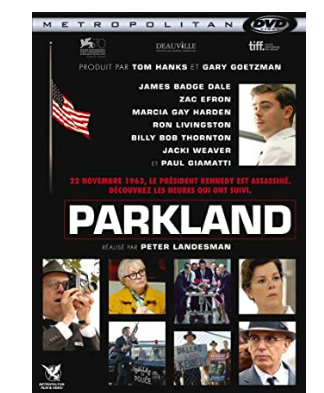
Parkland
Synopsis
Set on November 22, 1963, the film chronicles the chaotic, harrowing events surrounding the assassination of President John F. Kennedy from the perspective of ordinary individuals caught in the historic tragedy. Staff at Parkland Memorial Hospital in Dallas struggle desperately to save the mortally wounded president in trauma room one. Meanwhile, Abraham Zapruder captures the fateful footage on his home movie camera, secret service agents scramble to secure evidence, and Lee Harvey Oswald's bewildered brother faces unimaginable shock. The narrative weaves together real-time historical accounts of doctors, nurses, federal agents, and bystanders.
The Making of the Film
Written and directed by Peter Landesman, the historical drama was adapted from Vincent Bugliosi's critically acclaimed 2007 non-fiction book Reclaiming History: The Assassination of John F. Kennedy. Landesman sought to bypass sweeping political conspiracy theories to focus intensely on the human, medical, and procedural chaos experienced by ordinary people during the historic trauma. Tom Hanks signed on as an executive producer to lend prestige to the historical project. The production utilized meticulous archival research to recreate Dallas in 1963.
Critical Reception
Critical reception for the film was generally mixed, with reviewers praising its gripping medical emergency sequences, stellar ensemble cast, and unique ground-level perspective on a famous historical event. However, some critics felt the fragmented multi-character narrative lacked deep emotional resonance or new historical revelations. Audiences offered a modest box office response, making it a minor historical drama performer. It is remembered as a tense, realistic procedural recounting of a tragic day.
Behind-the-Scenes Stories
The production consulted actual doctors and nurses who worked at Parkland Memorial Hospital in 1963 to ensure absolute medical accuracy during the emergency trauma room scenes. Zac Efron and Paul Giamatti spent hours reviewing historical footage and documentary records to ground their performances. The iconic Zapruder camera equipment used in the film was an exact replica of the vintage 8mm Bell & Howell camera. Filming took place on location in Austin, Texas, to mimic 1960s Dallas architecture.
Themes Explored
The film explores national trauma, historical tragedy, medical emergency response, and ordinary people caught in monumental events. It highlights grief, shock, and the frantic procedural aftermath of political assassination. Historical documentation drives the narrative. It also touches upon brotherhood.
Ending Explained
Following frantic medical efforts, President Kennedy is pronounced dead, and Lee Harvey Oswald later succumbs to his injuries at the same hospital after being shot by Jack Ruby. The nation is left reeling in collective shock and profound grief as ordinary individuals return to their altered lives. The final title cards detail the subsequent historical fates of the key figures involved in the tragic weekend. The conclusion provides a sobering, realistic wrap-up to the historical day.
Meaning of the Title
The title refers directly to Parkland Memorial Hospital in Dallas, Texas, where President John F. Kennedy and Lee Harvey Oswald were treated following their fatal shootings. It symbolizes the epicenter of the historical tragedy. The single-word title sets a tense historical drama tone.
James Newton Howard composed a haunting, minimalist orchestral score that accentuated the solemn historical dread and urgency.
JFK, Thirteen Days, Jackie, The Trial of the Chicago 7