

 Français
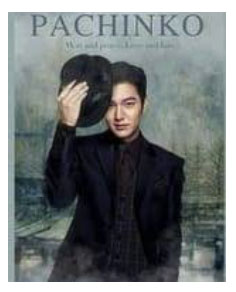
Pachinko
Synopsis
Spanning four generations, the epic narrative follows the triumphs and tribulations of a Korean immigrant family starting from the Japanese occupation of Korea in the early 20th century. Sunja, the resilient matriarch, makes a fateful choice that alters her familys destiny, leading them to emigrate to Japan. Facing severe discrimination, poverty, and cultural displacement, the family fights to survive and build a legacy across decades, navigating war, identity crises, and generational trauma.
The Making of the Film
This critically acclaimed epic historical drama television series was created by Soo Hugh for Apple TV+, based on Min Jin Lees bestselling 2017 novel of the same name. Directed by Kogonada and Justin Chon, the production was praised for its multilingual dialogue, spanning Korean, Japanese, and English. The creators assembled a massive international cast and crew to ensure absolute cultural authenticity, meticulously recreating historical settings from 1900s Busan to mid-century Osaka with cinematic grandeur.
Critical Reception
Professional critics lauded Pachinko as a masterwork of modern television, praising its breathtaking cinematography, intricate non-linear storytelling, and profound emotional depth. Reviewers highlighted the powerful performances of the ensemble cast, particularly Yuh-Jung Youn and Kim Min-ha as Sunja across different life stages. The series received near-universal acclaim for its sensitive handling of historical trauma and immigrant resilience. Audience reception matched the critical fervor, with viewers praising its stunning visual poetry, deep historical resonance, and heartbreaking family dynamics. It captured global attention as a landmark achievement in authentic cross-cultural storytelling, resonating deeply with diaspora communities worldwide. The series earned numerous prestigious accolades, including Critics Choice Awards, Peabody Award nominations, and widespread recognition for its direction, screenplay, and acting.
Behind-the-Scenes Stories
Creator Soo Hugh drew inspiration from Min Jin Lees exhaustive historical research, aiming to honor the forgotten stories of Zainichi Koreans who endured systemic prejudice and hardship. Directors Kogonada and Justin Chon utilized distinct visual palettes for different eras, using aspect ratios and color grading to reflect the passage of time. Production was a massive international undertaking spanning multiple countries, facing significant operational hurdles during global health restrictions. The crew constructed elaborate period-accurate sets in South Korea and Canada to simulate historical Japanese neighborhoods. A memorable behind-the-scenes moment occurred during the filming of the bustling fish market scenes in early Busan, where hundreds of background actors worked in freezing dawn temperatures, sharing hot tea and personal stories to bond as an authentic community on screen. The casting of legendary Oscar-winner Yuh-Jung Youn added immense gravity to the production, while newcomer Kim Min-ha underwent months of intensive dialect and physical coaching to portray the young Sunja with staggering emotional nuance.
Themes Explored
The narrative explores profound themes of displacement, generational trauma, survival, female resilience, and the search for identity. It examines the heavy price paid by immigrants caught between hostile political landscapes and their cultural roots.
Meaning of the Title
The title refers to the popular Japanese mechanical arcade game pachinko, which serves as a powerful central metaphor for life: players try their best, but ultimate outcomes are frequently dictated by chance, systemic bias, and forces beyond their control.
The Crown, Succession, Shantaram, Master of None