

 Français
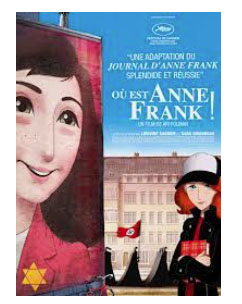
Where Is Anne Frank
Synopsis
Where Is Anne Frank brings the iconic diary of Anne Frank to life by personifying Kitty, the imaginary friend to whom Anne addressed her daily writings. In modern-day Amsterdam, Kitty miraculously comes to life in the Anne Frank House and embarks on a quest to find Anne, believing she is still alive somewhere out there. As Kitty wanders through the contemporary city, she encounters the harsh realities of modern refugee crises, bridging the historical tragedy of the Holocaust with present-day humanitarian struggles.
The Making of the Film
Directed by acclaimed animator Ari Folman, the film was conceived as a vital bridge connecting historical remembrance with contemporary social awareness. The inspiration stemmed from the enduring global impact of Anne Frank's diary and the desire to present her legacy through a fresh narrative lens that speaks directly to modern youth. The production utilized a unique combination of classical hand-drawn 2D animation and elaborate stop-motion sets built with meticulous historical precision.
Critical Reception
Résumé des critiques professionnelles : Critics praised the film for its bold and imaginative approach to a well-documented historical subject, commending its emotional weight and urgent contemporary relevance. Reviewers noted that introducing Kitty as an active protagonist allowed the story to address modern refugee issues without disrespecting the gravity of the Holocaust. The visual splendor and emotional honesty were lauded across major film publications.
Réception du public : Audiences responded with profound emotion, deeply moved by how the film seamlessly wove historical tragedy into an inspiring call for empathy and human rights today. Viewers of all generations praised its accessibility for younger audiences while maintaining the profound solemnity required by the subject matter. It was celebrated as an educational and artistic triumph.
Récompenses obtenues : The film received prestigious selections and honors at international film festivals, including special screenings at the Cannes Film Festival and nominations for best animated feature at various European and international film awards ceremonies.
Behind-the-Scenes Stories
Inspirations du réalisateur : Ari Folman, whose parents were Holocaust survivors, drew deeply from personal family history and a lifelong dedication to keeping historical memory alive for younger generations. He was inspired to frame the narrative around Kitty to give Anne's timeless voice a direct witness in the modern world.
Difficultés de production : Constructing miniature stop-motion models of the Secret Annex alongside vibrant 2D animated sequences required massive cross-continental collaboration between artisan workshops and animation studios during challenging global production circumstances.
Anecdote sur une scène particulière : During the creation of the modern Amsterdam street scenes, the background artists secretly embedded small, subtle visual homages to Anne Frank's original drawings and personal belongings throughout the cityscape.
Casting initialement prévu : The voice cast underwent extensive global auditions to find young actors who could capture both youthful optimism and profound historical awareness, resulting in a deeply compelling vocal ensemble.
Themes Explored
The core themes center on historical memory, human rights, empathy, refugees, and the enduring power of hope and writing in the face of unimaginable persecution. It connects past atrocities with present injustices to urge moral action.
Meaning of the Title
The title poses both a literal question about Anne Frank's tragic fate during the Holocaust and a metaphorical challenge to society regarding where her values of tolerance and hope reside in the world today.
Similar films include Persepolis, The Breadwinner, Grave of the Fireflies, and Schindler's List.