

 Français
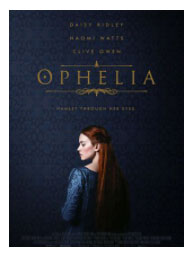
Ophelia
Synopsis
Ophelia offers a feminist, revisionist reimagining of William Shakespeare's classic tragedy *Hamlet*, told entirely from the perspective of Ophelia, the intelligent, fiercely independent lady-in-waiting to Queen Gertrude at Elsinore Castle. Rather than a fragile, tragic victim who descends passively into madness, this Ophelia is a sharp, trusted confidante who engages in secret romances with Prince Hamlet, studies herbal medicine, and navigates dangerous political court intrigues. As poisonings, madness, and royal betrayals threaten to consume Denmark, Ophelia plots her own clever escape.
The Making of the Film
Directed by Claire McCarthy and adapted from Lisa Klein's best-selling young adult novel, the film was conceived as a revisionist feminist historical drama reinterpreting classic Shakespearean lore. The inspiration stemmed from giving voice to overlooked female literary characters and exploring Elizabethan politics from a feminine viewpoint. The production utilized breathtaking European castle locations in Prague and sumptuous Renaissance wardrobe design.
Critical Reception
Critics offered generally positive reviews, praising Daisy Ridley's strong lead performance, lush period production design, and fresh feminist perspective on classic Shakespearean tragedy, while noting that the narrative occasionally struggled to balance historical romance with political intrigue. Reviewers highlighted Naomi Watts's strong supporting turn.
Audiences embraced the movie as a visually stunning and empowering retelling of a timeless classic.
The film earned recognition across independent film festivals for its costume design, cinematography, and feminist storytelling.
Behind-the-Scenes Stories
Claire McCarthy drew heavy inspiration from Lisa Klein's novel and Elizabethan historical literature.
Shooting inside authentic historic castles across Prague required careful historical preservation protocols and elaborate period costume management.
During the filming of the dramatic castle courtyard sequences, Daisy Ridley performed her own horseback riding and sword-handling stunts.
Casting Daisy Ridley brought immediate marquee star power and fierce modern agency to the Shakespearean heroine.
Themes Explored
The film explores feminist revisionism, court politics, royal betrayal, forbidden romance, herbal medicine, and agency against patriarchy.
Ending Explained
Ophelia fakes her death using a herbal potion, escaping Elsinore Castle safely with her secret child to live a free life away from royal corruption.
Meaning of the Title
Reference to the protagonist Ophelia, reclaiming her literary identity and agency beyond Shakespeare's tragic ending.
Original Soundtrack
The original musical score composed by Steven Price features sweeping orchestral arrangements and haunting choral melodies that elevate the Elizabethan romance.
Similar films include The Favourite, Mary Queen of Scots, Elizabeth, and Shakespeare in Love.