

 Français
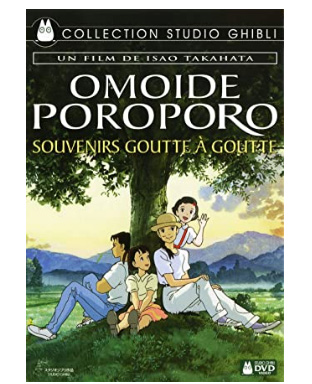
Only Yesterday
Synopsis
Set in 1982 Tokyo, Taeko Okajima is a twenty-seven-year-old unmarried woman who has lived her entire life in the bustling metropolis working a corporate office job. Deciding to take a ten-day vacation to rural Yamagata to help harvest safflowers on her brother-in-law's family farm, Taeko finds herself flooded with vivid childhood memories from 1966 when she was a quirky fifth-grader. As she tends to the agricultural fields and bonds with a handsome organic farmer named Toshio, her childhood recollections help her reevaluate her life choices, career path, and romantic future, guiding her toward personal awakening.
The Making of the Film
Director Isao Takahata adapted the film from Hotaru Okamoto and Yuko Tone's bestselling 1982 manga. Studio Ghibli co-founder Hayao Miyazaki suggested adapting the story, but Takahata transformed the nostalgic childhood memories into a mature, psychological drama aimed specifically at adult women living modern urban lives.
Critical Reception
Professional critics universally acclaimed the film as a masterpiece of animation, praising its profound psychological depth, gorgeous rural watercolors, and its honest, mature portrayal of adult self-reflection.
The general public made it the highest-grossing Japanese film at the box office in 1991, resonating deeply with adult audiences.
The film received numerous domestic Japanese film awards and enduring global critical reverence.
Behind-the-Scenes Stories
Director Isao Takahata drew inspiration from his own childhood memories, post-war Japanese history, and realistic character psychology. Production utilized a unique dual-animation style, rendering the 1982 framing scenes in realistic, detailed color palettes while giving the 1966 flashbacks a softer, impressionistic, memory-like texture.
During recording sessions, voice actress Miki Imai delivered authentic emotional performances that mirrored her own transition into adulthood.
Initially, studio executives were skeptical about making an animated film targeted at adult women rather than children, but Takahata's vision proved a monumental success.
Themes Explored
The film explores nostalgia, urban versus rural life, female independence, personal self-discovery, and growing up.
Ending Explained
The ending reveals through a magical, surreal flashback sequence that Taeko's childhood classmates appear to encourage her on the train back to Tokyo, leading her to return to Toshio in the countryside to start a new life together.
Meaning of the Title
The title 'Only Yesterday' reflects the fleeting nature of time and how childhood memories remain vividly present just beneath the surface of our adult lives.
Similar Films
Whisper of the Heart, The Wind Rises, My Neighbor Totoro, 5 Centimeters per Second