

 Français
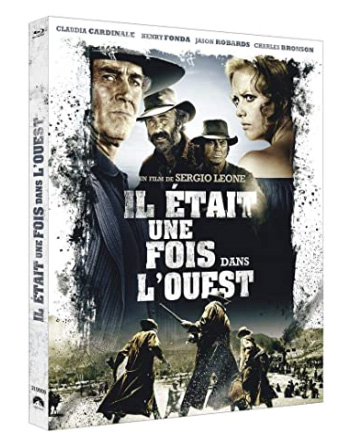
Once Upon a Time in the West
Synopsis
A mysterious harmonica-playing stranger joins forces with a notorious desperado to protect a beautiful former prostitute from a ruthless cold-blooded assassin working for a railroad tycoon. As the transcontinental railroad expands across the untamed American frontier, bloody land grabs and ruthless ambition threaten to destroy everything in their path. The paths of these desperate individuals converge in a tense showdown of vengeance, honor, and survival. Amidst the sweeping desert landscapes, the old mythical West gives way to the relentless march of industrial progress.
The Making of the Film
Director Sergio Leone initially wanted to retire from the Western genre after completing his famous Dollars Trilogy, but a compelling offer from Paramount Pictures and an opportunity to work with Henry Fonda convinced him otherwise. Collaborating with master screenwriters Bernardo Bertolucci and Dario Argento, Leone crafted an epic canvas inspired by classic American Westerns and his own romanticized vision of frontier history. The narrative was designed as a sweeping opera of violence and grief, exploring the tragic twilight of the Wild West.
Critical Reception
Professional critics in the United States initially gave the film mixed reviews, often misunderstanding its deliberate pacing, operatic styling, and European perspective on American history. Over the decades, critical consensus experienced a dramatic and legendary reversal, with modern reviewers hailing the picture as an absolute masterpiece of cinema. Critics now praise its breathtaking visual composition, monumental performances, and profound thematic weight, cementing its status as one of the greatest Westerns ever made.
Audience reception upon its original American theatrical release was relatively muted, as viewers accustomed to fast-paced action westerns struggled with the film's epic three-hour runtime and contemplative rhythm. However, European audiences embraced it passionately, turning it into a massive box office phenomenon that played in theaters for years. Today, generations of moviegoers revere it as a towering achievement in film history.
The film received few major mainstream awards during its initial release cycle, largely due to studio mismanagement and critical indifference in America. Yet, its enduring legacy has earned it preservation in the United States National Film Registry and universal acclaim across global cinematic polls.
Shooting Anecdotes
Director Sergio Leone drew profound inspiration from classic American cinematic Westerns directed by John Ford and Howard Hawks, studying their framing techniques to craft grand operatic compositions. To heighten the dramatic tension during pivotal scenes, Leone famously played Ennio Morricone's musical score directly on set through massive loudspeakers so the actors could feel the emotional cadence of the moment.
Production faced severe logistical hurdles, including filming in extreme desert conditions in Spain and the Monument Valley in Arizona while managing large-scale period-accurate railway construction. Language barriers between the international cast and crew created daily communication challenges that required immense patience from the director.
During the filming of the famous harmonica duel, Charles Bronson experienced intense concentration, channeling his own childhood memories of industrial labor to capture the hardened weariness required for the character.
Before Henry Fonda was cast as the ruthless villain Frank, Leone desperately wanted a clean-cut actor to subvert audience expectations, initially facing studio resistance because Fonda was beloved for playing wholesome American heroes.
Themes Explored
The death of the Wild West, the relentless march of industrialization and capitalism, vengeance, greed, and the evolution of the American frontier.
Explanation of the Ending
Harmonica finally confronts Frank in a sweeping flashback-revealed duel, avenging his brother's murder before riding off alone into the desert. Meanwhile, Jill remains behind to distribute water to the railroad workers, embracing her new destiny as the mother figure of a burgeoning desert town while the iron horse officially connects the continent.
Signification of the Title
The title evokes a classic fairy tale opening formula, signaling that the narrative takes place in a legendary, mythical past rather than a strictly historical reality.
Original Soundtrack
Ennio Morricone's legendary score is universally celebrated as one of the greatest achievements in film music history, featuring unique leitmotifs assigned to each principal character that play before they even appear on screen.
The Good, the Bad and the Ugly, For a Few Dollars More, The Wild Bunch, Once Upon a Time in America