

 Français
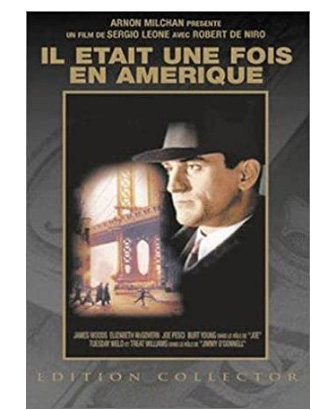
Once Upon a Time in America
Synopsis
Set across multiple decades in New York City, a former Jewish gangster named David Noodles Aaronson returns to the Lower East Side after decades in hiding. Haunted by memories of his childhood friends and the tragic fate of their prohibition-era bootlegging gang, he reflects on a life built on crime, betrayal, and broken loyalty. As past secrets unravel, an aging Noodles confronts the haunting consequences of his choices. The sweeping epic chronicles the bittersweet passage of time, friendship, and eternal regret.
The Making of the Film
Director Sergio Leone spent over a decade developing the crime epic, adapting it from Harry Grey autobiographical novel The Hoods. Leone turned down directing The Godfather to pursue this deeply personal passion project exploring the mythology of the American gangster. The production aimed to serve as the grand culmination of Leones legendary cinematic career.
Critical Reception
Critics gave the film divided reviews upon its initial American release due to studio interference that drastically re-edited and shortened the runtime. Over subsequent decades, however, film historians and international critics reappraised the original director cut as a monumental masterpiece of modern cinema. Robert De Niro and James Woods were universally praised for their powerhouse lead performances.
Public reception was initially disappointing in the United States due to the butchered studio cut, but European audiences immediately embraced its operatic brilliance. Modern audiences and cinephiles have since recognized it as an untouchable classic of crime drama. Its reputation has grown into that of an enduring cinematic masterpiece.
The film earned numerous international accolades and BAFTA Award nominations for its breathtaking cinematography and score. Ennio Morricones haunting musical score became an instant legendary classic. Its critical legacy stands tall as a towering achievement in filmmaking.
Filming Anecdotes
Director Sergio Leone drew inspiration from classic American gangster lore, historical crime novels, and grand operatic structure. He chose authentic New York, Montreal, and European locations to recreate the atmospheric Prohibition-era streetscapes. His direction pushed Robert De Niro and James Woods to build intense, complex camaraderie.
Production faced severe hurdles when American studio executives panicked over the four-hour runtime and forced a drastic recut without Leones consent, ruining its initial US release. Robert De Niro studied Jewish mob history meticulously to prepare for his aging character arc. The young actors portraying the teenage gang underwent extensive period training.
A memorable sequence involves Noodles peering through a peephole in a brick wall into a speakeasy dance hall while listening to haunting music. The scene captures the agonizing longing and nostalgic separation defining his character. De Niros silent emotional performance anchored the moment.
The casting process brought together legendary talent for multi-generational roles. Robert De Niro was cast as Noodles, bringing unmatched dramatic depth. James Woods was chosen to play Max, adding sharp, unpredictable energy to the criminal partnership.
Themes Explored
The film explores memory, guilt, the passage of time, brotherhood, and the American dream corrupted by crime. It highlights how youthful ambition deteriorates into tragic betrayal. Nostalgia and regret define the aging criminal experience.
NULL
Title Significance
The title directly mirrors Leones signature naming convention following Once Upon a Time in the West, establishing an epic mythic tone. It highlights the nostalgic, fairytale-like remembrance of a criminal era.
NULL
NULL
Similar Films
Other similar films include The Godfather Part II, Goodfellas, and Once Upon a Time in the West.