

 Français
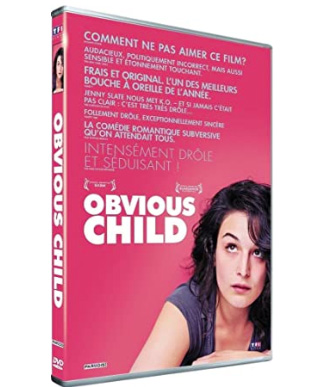
Obvious Child
Synopsis
Donna Stern is a struggling, self-deprecating stand-up comedian in Brooklyn whose life falls apart in a single week when she loses her job, her boyfriend, and her apartment all at once. Following a drunken one-night stand with a polite young man named Max, Donna discovers she is unexpectedly pregnant. Facing the prospect of an upcoming abortion, she navigates her anxieties, romantic uncertainties, and comedic voice with raw honesty. Through laughter and vulnerability, she learns to embrace adulthood on her own terms.
The Making of the Film
Written and directed by Gillian Robespierre, the romantic comedy was expanded from her acclaimed 2009 short film of the same name. Robespierre sought to craft an honest, unvarnished romantic comedy addressing abortion and modern single life without moralizing or melodrama. The production aimed to subvert traditional romantic comedy tropes by centering a female comic protagonist navigating real-world choices. Jenny Slate was cast as the lead, bringing her signature stand-up background and emotional authenticity to the project.
Critical Reception
Critical reception for the film was overwhelmingly positive, with reviewers praising Jenny Slate's breakout lead performance, sharp writing, and refreshing refusal to sanitize female reproductive choices. Critics lauded Robespierre for balancing witty stand-up comedy with touching romantic realism. Audiences embraced its indie-spirited charm, turning the low-budget movie into a successful box office hit. It is remembered as a groundbreaking milestone in modern feminist romantic comedy cinema.
Behind-the-Scenes Stories
Jenny Slate performed actual live stand-up comedy sets in front of real Brooklyn audiences during production to capture authentic crowd reactions. The stand-up club scenes were filmed on location in New York City comedy venues frequented by the cast. Director Gillian Robespierre encouraged Slate to improvise humorous banter during dialogue exchanges. The intimate apartment sets were carefully designed to reflect the messy, realistic lifestyle of a struggling young Brooklyn artist.
Themes Explored
The film explores unplanned pregnancy, abortion rights, female autonomy, maturity, and stand-up comedy culture in Brooklyn. It highlights vulnerability, modern dating anxieties, and finding romance after heartbreak. Career instability drives the narrative comedy. It also touches upon friendship.
Ending Explained
Max supports Donna through her abortion procedure with kindness and understanding, proving his genuine affection and character. Although their romance faces initial hurdles due to the unexpected circumstances, they reconcile and embrace a budding relationship built on honesty and mutual respect. Donna performs a final stand-up set that reflects her newfound maturity and emotional resilience. The conclusion provides a heartwarming, modern romantic resolution.
Meaning of the Title
The title plays on the famous Paul Simon song lyric "The Obvious Child," reflecting the unexpected pregnancy that serves as the central catalyst for the protagonist's personal growth. It symbolizes sudden maturity. The phrase sets an indie comedy-drama tone.
Chris Bordeaux composed an upbeat, acoustic indie-pop score that complemented the quirky Brooklyn atmosphere.
Knocked Up, Frances Ha, Landline, Trainwreck