

 Français
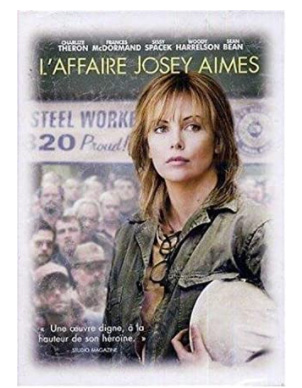
North Country
Synopsis
Josey Aimes is a single mother who returns to her hometown in northern Minnesota with her two children after leaving an abusive relationship. Desperate for a stable income, she takes a job at the local iron mine, where women are a small minority. She quickly becomes the target of constant harassment from her male coworkers and is met with indifference by her bosses. Determined to fight back, Josey decides to file a lawsuit that would change the course of American law.
The Making of the Film
North Country is a drama directed by Niki Caro and inspired by a true story: the lawsuit filed by Lois Jenson against the Eveleth Mines in Minnesota. The case became the first major class-action sexual harassment suit in the United States. The screenplay by Michael Seitzman was loosely based on the book "Class Action" by Clara Bingham and Laura Leedy Gansler. Charlize Theron played the lead role, with Frances McDormand, Sean Bean, Richard Jenkins and Woody Harrelson in supporting parts. Niki Caro, who had directed "Whale Rider", brought a naturalistic style to the film. It was released in the autumn of 2005.
Reviews and Reception
Summary of Professional Reviews
Critics gave the film a mostly positive reception. Many praised the powerful performances of Charlize Theron and Frances McDormand, as well as the film's sober direction. Some reviewers criticized the script for dramatizing and simplifying the true events. Overall, it was seen as an affecting and important drama.
Audience Reception
The film was a modest commercial success and was particularly appreciated by viewers interested in workplace rights and women's history. Many audiences were moved by its portrayal of courage in the face of harassment. It has remained a powerful reference point in discussions about equality in the workplace. It is regularly cited in conversations about the origins of modern harassment law.
Awards Received
Charlize Theron received an Academy Award nomination for Best Actress, and Frances McDormand was nominated for Best Supporting Actress. The film also received nominations at other major award ceremonies. These nominations recognized the quality of its acting and the importance of its subject matter.
Themes Explored
The film is about courage, dignity and the fight against institutionalized harassment. It shows how workplace abuse can be tolerated by a system that protects its own. Josey's story highlights the importance of solidarity, as other women slowly find the courage to support her. Family also plays a major role, since her relationship with her father and her children shapes her choices. The film explores class and economic pressure, showing why many women feel unable to speak out. It is ultimately a story about the power of one person to change the rules.
Ending Explained
In the final scenes, Josey wins the right to proceed with a class-action lawsuit, a landmark decision. In a powerful moment, many of the men and women in the community stand up in support of her. The film suggests that her fight has made a lasting difference, even though the cost was high. It closes with a sense of hard-earned justice.
Meaning of the Title
"North Country" refers to the region of northern Minnesota where the story takes place, known for its mines and its harsh winters. The name evokes a place that is remote and tough, shaping the people who live there. The title roots the story in a specific community and landscape.
Soundtrack
The score was composed by Gustavo Santaolalla, and the film also features songs by Bob Dylan, who was born in the same region. The music underlines the film's emotional depth and its sense of place. The combination of austere instrumentation and folk songs helps convey the harsh beauty of the setting.
Similar Films
- Erin Brockovich (2000): a woman fights a powerful company.
- Norma Rae (1979): a factory worker fights for workers' rights.
- Silkwood (1983): a drama about a worker and corporate wrongdoing.
- Bombshell (2019): a film about harassment in the media industry.