

 Français
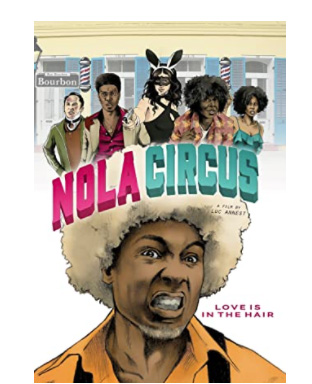
Nola Circus
Synopsis
Set in the vibrant and eccentric neighborhoods of New Orleans, the film follows a colorful group of multicultural residents whose lives collide during a chaotic weekend filled with cultural misunderstandings, romance, and neighborhood rivalry. A French chef trying to open a restaurant, local politicians, street artists, and eccentric locals get caught up in a hilarious web of mishaps. As cultural boundaries are tested and prejudices are humorously dismantled, the community comes together in unexpected ways. The story celebrates the eclectic spirit and rich diversity of the Big Easy.
The Making of the Film
Writer and director Luc Annest drew inspiration from his own multicultural experiences living in New Orleans, wanting to craft a fast-paced, satirical comedy celebrating the city's unique cultural melting pot. Annest aimed to blend French farce with American southern comedy, tackling racial and cultural stereotypes through lighthearted satire. The screenplay was structured as a multi-narrative ensemble piece involving diverse characters navigating daily absurdities. The production relied heavily on authentic New Orleans locations and local jazz artists.
Critical Reception
Professional critics gave the film mixed reviews, noting its energetic enthusiasm and colorful depiction of New Orleans culture, though some felt the comedic tone was uneven. Reviewers praised the vibrant local atmosphere and the eclectic ensemble cast's commitment to quirky characters. Some critics pointed out that the satirical social commentary occasionally crossed into broad caricature.
Public reception was warm among viewers looking for lighthearted indie comedies featuring the unique flavor of New Orleans. Audiences enjoyed the upbeat jazz soundtrack and the whimsical community spirit. It found a appreciative niche on digital streaming platforms.
Though it bypassed major mainstream awards, the film received positive nods at regional independent film festivals for its celebratory portrayal of New Orleans culture and diversity.
Behind-the-Scenes Stories
Director Luc Annest drew inspiration from classic American screwball comedies and French situational farces set against southern backdrops.
Production faced fun logistical challenges coordinating outdoor street festival sequences across historic French Quarter locations during humid Louisiana weather.
During the filming of the bustling restaurant scenes, local New Orleans musicians and neighborhood residents were brought in as extras to maximize authentic local flavor.
The casting process brought together a diverse international ensemble of character actors to represent the multicultural fabric of the city.
Core Themes Explored
The film explores cultural diversity, overcoming racial stereotypes, community unity, local identity, and romantic mishaps.
Themes Explored
Multiculturalism, New Orleans life, racial satire, community relations, and romantic comedy.
The conclusion brings all the disparate neighborhood characters together at a massive community festival where past misunderstandings are resolved through shared food, music, and laughter. Harmony is restored to the vibrant streets of New Orleans.
The title combines "Nola" (the abbreviation for New Orleans, Louisiana) with "Circus" to describe the chaotic, colorful daily spectacle of the city.
The film features a lively, toe-tapping jazz, funk, and brass band musical score that captures the vibrant street energy of New Orleans.
The Big Easy, Barbershop, Chef, Paterson