

 Français
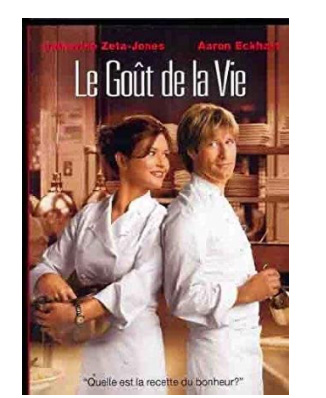
No Reservations
Synopsis
Kate Armstrong is a master chef whose life in Manhattan is governed by the same precision, discipline, and exacting standards she brings to her high-end restaurant kitchen. Her meticulously structured world is suddenly upended when her young niece comes to live with her following a tragic accident, forcing Kate to balance motherhood with her demanding career. Complications multiply further with the arrival of a charismatic new sous-chef whose free-spirited approach to cooking and life challenges everything Kate believes in. Through shared meals, kitchen chaos, and unexpected emotional vulnerability, Kate learns that life and love cannot be entirely planned out.
The Making of the Film
Director Scott Hicks adapted the screenplay from the acclaimed 2001 German film 'Mostly Martha' written and directed by Sandra Nettelbeck. The producers wanted to translate the European culinary drama into an American romantic comedy setting that would appeal to mainstream audiences while retaining its core focus on grief, culinary artistry, and family bonding. The filmmakers collaborated closely with professional chefs to ensure the kitchen operations, culinary terminology, and food preparations looked completely authentic on screen.
Critical Reception
Professional critics offered mixed reviews, praising the strong chemistry between lead actors Catherine Zeta-Jones and Aaron Eckhart, as well as the appealing depiction of professional restaurant kitchens. However, some reviewers felt the narrative adhered too closely to standard romantic comedy formulas and lacked the subtle bittersweet depth of the original German film.
The general public responded warmly to the film's cozy atmosphere, comforting food imagery, and romantic charm, making it a reliable crowd-pleaser for audiences seeking a lighthearted romantic drama.
The film received minor nominations at viewer-choice and family entertainment award ceremonies, appreciated mostly for its warm aesthetic and feel-good culinary themes.
Filming Anecdotes
Director Scott Hicks drew inspiration from high-end restaurant culture, professional culinary documentaries, and classic romance cinema. He insisted that Catherine Zeta-Jones undergo professional kitchen training in a real restaurant to master professional chopping, plating, and culinary pacing.
Production faced unique logistical challenges while filming inside a functioning Manhattan restaurant set, requiring precise coordination between actors, real chefs, and food stylists to ensure realistic kitchen rushes.
During the filming of the bustling kitchen dinner service scenes, actors had to juggle hot pans and real ingredients amidst fast-paced camera movements without missing their dialogue cues.
Initially, various casting considerations were discussed before Catherine Zeta-Jones and Aaron Eckhart secured the lead roles, bringing wonderful comedic and dramatic timing to the kitchen dynamic.
Themes Explored
The film explores the transition from rigid perfectionism to emotional flexibility, the healing power of family responsibility after tragedy, and finding romance in unexpected places.
Ending Explanation
The ending shows Kate, Nick, and young Zoe successfully opening their own cozy, relaxed restaurant together, symbolizing Kate's successful departure from corporate culinary isolation into a warm, shared family life.
Title Significance
The title 'No Reservations' carries a clever double meaning, referring both to restaurant booking policies and to the protagonists' initial hesitation to fully commit to love and vulnerability without emotional reservations.
Similar Films
Mostly Martha, Julie & Julia, Chef, What's Cooking?