

 Français
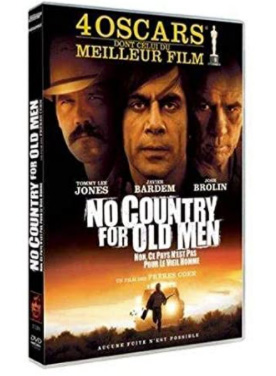
No Country for Old Men
Synopsis
Set in the desolate, sun-baked landscape of West Texas in 1980, a laconic hunter named Llewelyn Moss stumbles upon the bloody aftermath of a drug deal gone wrong in the desert, finding two million dollars in cash left beside dead cartel couriers. Succumbing to temptation, Moss takes the briefcase of money, unwittingly triggering a relentless, violent manhunt across the state led by Anton Chigurh, a chilling, psychopathic hitman armed with a captive bolt pistol. As an aging, weary local sheriff tries to unravel the escalating trail of bloodshed, moral boundaries dissolve in the dust. The neo-noir crime masterpiece delivers stark tension and philosophical despair.
The Making of the Film
Writer-directors Joel and Ethan Coen adapted the film directly from Cormac McCarthy's acclaimed 2005 neo-noir thriller novel of the same name. The inspiration stemmed from wanting to explore the changing face of rural American violence, moral decay, and aging through McCarthy's bleak, minimalist prose. The production team invested heavily in authentic West Texas location shoots, natural desert lighting, and sparse acoustic soundscapes devoid of traditional musical scoring. The script was meticulously structured to remain fiercely faithful to McCarthy's dialogue.
Critical Reception and Reviews
Professional critics widely acclaimed the film as an undisputed cinematic masterpiece, praising the Coen brothers' taut direction, Roger Deakins' breathtaking cinematography, and powerhouse performances by Tommy Lee Jones, Josh Brolin, and Javier Bardem. Reviewers lauded Bardem's terrifying, Academy Award-winning portrayal of Anton Chigurh as one of the greatest cinematic villains of all time. Public reception was overwhelmingly enthusiastic worldwide, turning it into a major box-office and critical triumph. The film won four Academy Awards, including Best Picture, Best Director, and Best Supporting Actor.
Filming Anecdotes
Director Joel Coen drew visual inspiration from classic Westerns, neo-noir crime thrillers, and sparse desert photography. Production took place on location across remote desert towns in New Mexico and Texas, capturing authentic dusty landscapes. During the filming of intense motel shootout sequences, Javier Bardem famously hated his bizarre bowl-cut hairstyle, joking that it guaranteed he wouldn't get romantically approached for months. The production relied entirely on natural lighting to maintain stark realism.
Themes Explored
The film explores the inevitability of violence, moral decay, aging, fate versus free will, and the changing nature of modern evil.
The bleak, abrupt ending features Sheriff Bell recounting two mundane dreams about his father during retirement, accepting his aging fatigue without catching the killer.
Meaning of the Title
The title refers directly to the novel's thematic lament that the brutal modern world has become a lawless wasteland where old, weary sheriffs no longer belong.
The film remains celebrated as one of the greatest cinematic achievements of the 21st century, renowned for its peerless tension and philosophical depth.
There Will Be Blood, Sicario, Fargo