

 Français
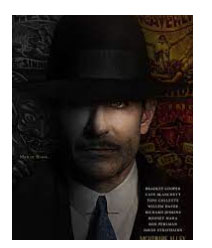
Nightmare Alley
Synopsis
This visually breathtaking, neo-noir psychological thriller masterpiece directed by Guillermo del Toro follows Stanton Carlisle, a charismatic, down-on-his-luck drifter with a mysterious past who wanders into a traveling carnival during the 1930s Depression era and finds a lucrative calling. Mentored by an aging mentalist and his clairvoyant partner, Stan learns the deceptive art of cold-reading and mentalism, eventually using the tricks to launch a wildly successful upscale mentalism act in elite Chicago hotel lounges alongside his devoted partner Molly. However, when Stan partners with a ruthless, cunning psychiatrist to swindle a dangerous millionaire, his greedy ambitions spiral into a terrifying psychological nightmare. It is a dark, mesmerizing descent into human corruption.
The Making of the Film
The project originated from director Guillermo del Toro and co-writer Kim Morgan's shared obsession with William Lindsay Gresham's classic 1946 noir novel 'Nightmare Alley' and the legendary 1947 film adaptation starring Tyrone Power. Del Toro sought to step away from his signature fantasy monster creatures to craft a gritty, grounded noir thriller examining human corruption, greed, and fate without any supernatural elements. Inspiration was drawn from classic 1940s film noir, Depression-era carnival history, and psychological tragedy. The creative team aimed to produce a visually stunning masterpiece.
Critical Reception
Critics offered widespread, rapturous acclaim, praising Guillermo del Toro's sumptuous gothic-noir art direction, Dan Laustsen's moody cinematography, and Bradley Cooper and Cate Blanchett's stellar lead performances. Reviewers noted that del Toro successfully captured the bleak, deterministic moral universe of classic pulp noir while elevating the material with breathtaking period craftsmanship and psychological depth. The gritty carnival life and luxurious art-deco Chicago suites received universal applause. It was immediately recognized as a triumph of auteur cinema.
Audience reception was warm among cinephiles and noir enthusiasts, though its theatrical box office run faced challenges during the post-holiday winter cinema window. Viewers on public platforms praised the shocking psychological twists, incredible period costume design, and Bradley Cooper's dark descent into madness. Fans of Guillermo del Toro celebrated his fearless exploration of human evil. Word-of-mouth sustained strong home video and streaming popularity.
Awards season brought major triumph, securing four Academy Award nominations including Best Picture, Best Cinematography, Best Production Design, and Best Costume Design. Critics' associations praised the film for its stunning visual design and stellar acting ensemble. These accolades cemented its status as a premier masterpiece of modern neo-noir.
Behind-the-Scenes Stories
The director drew visual inspiration from classic 1940s film noir classics, Edward Hopper paintings, and authentic Depression-era carnival photography to establish a dark, atmospheric aesthetic. Every physical set, from the muddy, rain-drenched carnival grounds to the opulent art-deco Chicago psychology offices, was constructed entirely on soundstages to maintain complete control over moody lighting and shadows. The production team collaborated with mentalism consultants to ensure that stage magic and cold-reading tricks performed by Bradley Cooper looked genuinely convincing. These artistic choices created an impeccably polished cinematic world.
Production presented fascinating logistical and technical hurdles, requiring the cast and crew to adapt to a massive split-production schedule that was abruptly interrupted by 2020 pandemic lockdowns, forcing the team to rebuild entire carnival sets months later. Bradley Cooper immersed himself thoroughly in mentalism techniques and physical poise to portray Stan's transformation from desperate drifter to wealthy mentalist. Shooting in Toronto exposed the crew to complex night shoots. Furthermore, maintaining strict color palettes of muddy browns turning into cold blues demanded obsessive cinematography precision.
During the filming of the brutal carnival mud sequences, Bradley Cooper executed his physically taxing drifter scenes with total fearless commitment. To maintain authentic noir tension, del Toro utilized slow, deliberate camera tracking shots. The crew utilized deep shadow lighting to accentuate the psychological dread. This rigorous dedication resulted in immortal cinematic moments.
Casting was anchored by securing megastar Bradley Cooper, whose charm and dark intensity drove the entire moral decay of the protagonist. Cate Blanchett brought icy brilliance and danger to the role of the femme fatale psychiatrist. Supporting roles were filled with legendary acting talent including Rooney Mara, Toni Collette, Willem Dafoe, David Strathairn, and Richard Jenkins. This star-studded casting strategy was the absolute heartbeat of the film's success.
Themes Explored
The narrative deeply explores themes of human greed, moral corruption, and the inescapable trap of hubris. It examines the art of deception, mentalism, and preying on human grief for financial gain. Additionally, it highlights fatalism, self-destruction, and the dark underbelly of the American dream. Ultimately, the film reflects on guilt, truth, and the terrifying monsters hiding inside ordinary men.
Ending Explained
Stan's elaborate swindle collapses when the millionaire uncovers the con, leading Stan to accidentally murder his partners and go on the run as a broken, alcoholic fugitive reduced to working as a pathetic carnival "geek" biting the heads off live chickens. Recognizing his absolute moral ruin and total loss of identity, Stan breaks down in tears while accepting his horrific new reality, whispering that he was "born for it." The devastating gothic noir conclusion underscores ultimate tragic damnation.
Meaning of the Title
The title directly references the carnival slang term for the dead-end attraction ("Nightmare Alley") where freak-show acts and human degradation reach their bleakest depths.
Original Soundtrack
The haunting, melancholic musical score by Nathan Johnson received praise for utilizing eerie orchestral arrangements and brass melodies that amplified the film's classic noir mood.
Similar Films
Films sharing similar dark film noir, psychological manipulation, and carnival tragedy themes include Sunset Boulevard (1950), Chinatown (1974), and L.A. Confidential (1997).