

 Français
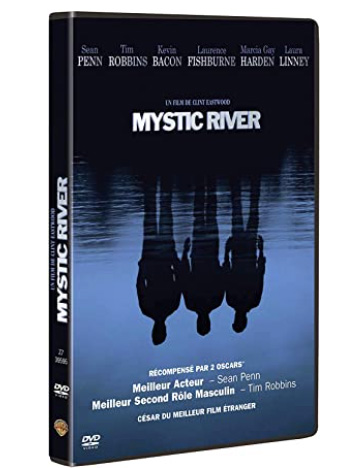
Mystic River
Synopsis
Three childhood friends from a working-class neighborhood in Boston are reunited by a devastating tragedy. Jimmy Markum, a former criminal turned local businessman, discovers that his teenage daughter Katie has been murdered. Sean Devine, now a police detective, is assigned to investigate the case, while Dave Boyle, the third member of their childhood group, becomes connected to the tragedy through suspicious circumstances. Years earlier, Dave was abducted by strangers, an experience that permanently altered his life. As the investigation progresses, old wounds and buried secrets begin to resurface. The three men find themselves trapped in a situation where grief, suspicion, and the desire for revenge threaten to destroy everything they have left.
The Film's Origins
Mystic River is based on the 2001 novel of the same name by American writer Dennis Lehane. The novel attracted attention for its complex portrayal of friendship, childhood trauma, and the long-term consequences of violence. Brian Helgeland adapted the book into a screenplay that preserved its central mystery while translating its literary structure into a cinematic narrative. Clint Eastwood became interested in directing the project because of its emotional depth and exploration of moral ambiguity. He also recognized the opportunity to assemble a powerful ensemble of experienced actors. The film was produced by Eastwood's Malpaso Productions and distributed by Warner Bros. Its Boston setting was essential to the story, providing a distinctive working-class environment shaped by neighborhood loyalties and personal history. The result became one of Eastwood's most acclaimed dramatic productions.
Critical Reception
Professional Reviews: Mystic River received widespread critical acclaim for its direction, screenplay, performances, and emotional intensity. Sean Penn and Tim Robbins received particular praise for their complex portrayals of men affected by grief and childhood trauma. Kevin Bacon was also recognized for bringing restraint and moral uncertainty to the role of Sean Devine. Clint Eastwood's direction was admired for its controlled pacing and refusal to provide easy moral answers. Some critics considered the film emotionally overwhelming because of its bleak subject matter. Nevertheless, its dramatic power and technical quality made it one of the most highly regarded films of 2003.
Audience Reception: The film attracted strong interest from audiences seeking serious crime dramas and character-driven mysteries. Its dark atmosphere and complex relationships encouraged discussions about justice, guilt, and the consequences of revenge. Viewers frequently praised the performances of the principal cast. The film also benefited from positive word of mouth and its success during awards season. Its reputation has remained strong among admirers of Clint Eastwood's dramatic work.
Awards and Recognition: Mystic River received six Academy Award nominations and won two major awards. Sean Penn won the Oscar for Best Actor, while Tim Robbins received the award for Best Supporting Actor. The film was also nominated for Best Picture, Best Director, Best Adapted Screenplay, and Best Supporting Actress for Marcia Gay Harden. At the Cannes Film Festival, Clint Eastwood received the Vulcan Award for an artist technician, recognizing the film's technical achievement. These honors confirmed its position as one of the most important American dramas of its year.
Behind-the-Scenes Stories
Director's Inspirations: Clint Eastwood was attracted to the novel because it examined how childhood experiences can permanently shape adult identity. He wanted to preserve the story's moral complexity rather than turn it into a conventional detective thriller. The director was particularly interested in the contrast between the three protagonists and the different ways they respond to trauma. His restrained approach allowed the actors to communicate much of the story through gestures, silence, and facial expressions. Eastwood also composed the film's original music, reinforcing its intimate emotional atmosphere.
Production Challenges: Recreating the atmosphere of working-class Boston required careful attention to locations, architecture, and local details. The production needed to maintain a consistent visual environment throughout the story. The actors also faced the challenge of portraying emotionally damaged characters without relying on exaggerated performances. The murder investigation and its disturbing revelations required a delicate balance between suspense and psychological realism. The film's intense subject matter demanded careful coordination of the more difficult dramatic scenes.
Memorable Scene: The final sequence in the neighborhood parade is one of the film's most disturbing moments. Jimmy appears to celebrate his family and community while Sean looks at him with the knowledge of what has happened. Their gestures and expressions communicate an enormous amount of unspoken tension. The scene suggests that the consequences of Jimmy's actions will remain unresolved. Its unsettling atmosphere reflects the film's refusal to provide a simple moral conclusion. The contrast between public celebration and private guilt makes it especially powerful.
Originally Considered Casting: Sean Penn was cast as Jimmy Markum, Tim Robbins as Dave Boyle, and Kevin Bacon as Sean Devine. Laurence Fishburne played Detective Whitey Powers, while Marcia Gay Harden portrayed Celeste Boyle. Laura Linney was cast as Annabeth Markum. The production brought together actors with very different approaches to dramatic performance. There is no sufficiently documented complete list of alternative actors considered for all these principal roles.
Themes Explored
Mystic River explores childhood trauma, friendship, grief, guilt, justice, revenge, and the destructive power of suspicion. The three protagonists represent different responses to experiences that have permanently altered their lives. Dave is haunted by his childhood abduction, while Jimmy struggles with the emotional consequences of losing his daughter. Sean attempts to maintain professional objectivity despite his personal connections to the case. The film also examines how communities protect their own members, sometimes at the expense of truth and justice. Its portrayal of masculinity highlights the difficulty many characters have in expressing vulnerability. The river becomes a symbolic space associated with memory, hidden suffering, and the passage of time. Ultimately, the story questions whether people can ever truly escape the consequences of their past.
Ending Explained
The ending reveals that Jimmy has killed Dave after becoming convinced that Dave murdered his daughter. However, the audience understands that Jimmy acted on suspicion rather than reliable evidence. The actual killers are revealed to be two younger men who were connected to Katie through her boyfriend. Jimmy's decision therefore represents a terrible miscarriage of justice driven by grief and anger. Sean eventually discovers the truth but does not immediately confront Jimmy with the full consequences of his actions. The final parade sequence shows Jimmy participating in the public life of the neighborhood while carrying the secret of what he has done. Sean's gestures suggest that he knows more than Jimmy would like him to know. Annabeth also supports her husband, demonstrating the complexity of loyalty and moral compromise. The ending leaves the audience with the uncomfortable realization that violence can destroy innocent lives even when it is motivated by a desire for justice.
Meaning of the Title
The title Mystic River refers to the Mystic River in the Boston area, connecting the story to its geographical and emotional setting. The river also functions as a metaphor for the hidden currents of memory and suffering beneath ordinary life. Its name suggests something mysterious and difficult to understand, much like the characters' past experiences. The water evokes the passage of time while also suggesting that painful events can remain buried beneath the surface. The title therefore reflects both the film's location and its central themes of secrecy, memory, and unresolved trauma.
Original Soundtrack
Clint Eastwood composed the original score for Mystic River, creating a restrained musical atmosphere that complements the film's dark emotional world. The soundtrack uses piano and orchestral textures to reinforce the characters' loneliness and psychological distress. Its understated approach allows the actors' performances to remain central. The music frequently emphasizes the tension between ordinary neighborhood life and the tragedy unfolding beneath it. Eastwood's score received recognition as an important part of the film's artistic achievement.
Similar Movies
Films with similar themes include Gone Baby Gone, another Boston-based crime drama adapted from a novel by Dennis Lehane. Sleepers explores childhood trauma, friendship, and the long-term consequences of abuse. Prisoners examines grief, suspicion, and the moral limits of revenge. The Pledge presents a detective whose obsession with a murder investigation gradually consumes his life. A History of Violence explores the relationship between past actions and present identity. These films share Mystic River's interest in crime as a catalyst for deeper psychological and moral conflicts.