

 Français
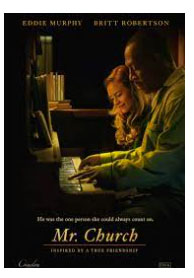
Mr. Church
Synopsis
This heartwarming, deeply touching biographical drama follows Henry Joseph Church, a talented, dignified African-American private chef who is hired in 1971 Los Angeles under unusual circumstances to cook for a terminally ill single mother and her young daughter, Charlotte. Initially hired for a short six-month contract funded by the mother's mysterious late wealthy lover, Mr. Church ends up staying with the family for over fifteen years, becoming a beloved father figure, mentor, and emotional anchor through triumph and tragedy. Set against the cozy backdrop of a sunlit kitchen filled with gourmet aromas and jazz music, it is a gorgeous, tear-jerking celebration of found family.
The Making of the Film
The project originated from writer Susan McMartin's deeply personal real-life experiences growing up with a mysterious, life-saving family cook who became her lifelong mentor and father figure. Director Bruce Beresford was immediately drawn to the script's gentle emotional warmth, culinary metaphors, and delicate character study. Inspiration was drawn from McMartin's childhood memoirs, 1970s Los Angeles culture, and classic humanist drama traditions. The creative team aimed to produce a touching, intimate crowd-pleaser.
Critical Reception
Critics offered mixed reviews, praising Eddie Murphy's restrained, stellar dramatic lead performance and the film's undeniable emotional warmth while critiquing its predictable melodrama and sentimental plotting. Reviewers noted that Murphy successfully broke away from his iconic comedy persona to deliver a quiet, dignified, and emotionally resonant performance that anchored the entire movie. Britt Robertson and Natascha McElhone received moderate praise for their mother-daughter chemistry. Despite mixed critical consensus, it struck a powerful emotional chord with audiences.
Audience reception was warm and enthusiastic, driving the film to strong emotional appreciation through home video, streaming, and television broadcasts. Viewers on public platforms praised the mouth-watering cooking scenes, tear-jerking emotional moments, and Eddie Murphy's brilliant dramatic range. Fans of intimate character dramas celebrated its comforting, wholesome message. Word-of-mouth sustained steady home entertainment popularity.
Awards season brought no major mainstream nominations, though Eddie Murphy received praise from independent film critics for his surprising dramatic shift. Critics' associations acknowledged the warm production design and jazz-infused musical score. These accolades cemented its status as a cherished, underrated gem in dramatic cinema.
Behind-the-Scenes Stories
The director drew visual inspiration from classic 1970s domestic drama films, sunlit kitchen photography, and warm jazz club aesthetics to establish an intimate, comforting visual style. Every room of the cozy suburban house and the bustling kitchen was designed to reflect the healing power of food and art. The production team collaborated with culinary advisors to ensure that Mr. Church's gourmet cooking preparations looked authentic and mouth-watering. These artistic choices created a deeply comforting cinematic world.
Production presented fascinating logistical challenges, requiring Eddie Murphy to transition smoothly from broad comedy to quiet, stoic dramatic acting with immense emotional control. Murphy immersed himself in cooking tutorials and piano lessons to make his character's artistic talents look completely natural on screen. Shooting on location in Los Angeles required careful neighborhood coordination. Furthermore, maintaining consistent emotional tone across fifteen years of narrative time demanded obsessive focus.
During the filming of the emotional kitchen piano and cooking sequences, Eddie Murphy executed his quiet dramatic beats with profound dignity and grace. To maintain authentic warmth, Bruce Beresford encouraged intimate, understated performances from the entire cast. The crew utilized warm golden lighting to accentuate the comforting atmosphere. This rigorous dedication resulted in touching cinematic moments.
Casting was anchored by securing comedy legend Eddie Murphy in a rare, critically acclaimed dramatic role, showcasing his incredible versatility and quiet screen presence. Britt Robertson brought charm and vulnerability to the role of adult Charlotte. Supporting roles were filled with talented actresses including Natascha McElhone and Xavier Samuel. This star-studded casting strategy was the absolute secret to the film's emotional success.
Themes Explored
The narrative deeply explores themes of found family, unconditional love, and racial reconciliation across generations. It examines grief, terminal illness, and finding healing through the culinary arts and literature. Additionally, it highlights mentorship, sacrifice, and keeping secrets out of love. Ultimately, the film reflects on sorrow, gratitude, and the profound impact one person can have on a family's life.
Ending Explained
Adult Charlotte returns to Mr. Church's home pregnant and seeking refuge after her mother passes away, where Mr. Church welcomes her back with open arms, cooking a familiar meal and offering a safe sanctuary just as he did when she was a little girl. Following Mr. Church's peaceful passing years later, Charlotte reads his journals and finally learns the truth about his past sacrifices, honoring his memory with her own newborn child. The heartwarming story concludes with eternal gratitude.
Meaning of the Title
The title directly references the enigmatic, beloved protagonist ("Mr. Church") whose culinary skill and mysterious presence anchor the entire story.
Similar Films
Films sharing similar found-family, emotional drama, and culinary healing themes include The Help (2011), Driving Miss Daisy (1989), and Chef (2014).