

 Français
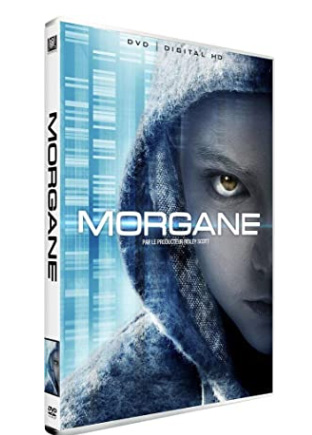
Morgan
Synopsis
A corporate risk management consultant is sent to a remote, top-secret location to investigate and evaluate a terrifying accident. She learns that the event was triggered by a seemingly innocent human being who harbors a mysterious and dangerous nature. As the investigation deepens, the team realizes that this bioengineered entity is far more intelligent and volatile than anticipated. The mission quickly turns into a desperate struggle for survival against a lethal creation.
The Making of the Film
The idea for Morgan came from Seth W. Owen, whose script was featured on the 2014 Black List of the best unproduced screenplays. Ridley Scott's son, Luke Scott, took on the project to make his feature-length directorial debut. The production was heavily influenced by classic science fiction themes exploring artificial intelligence, bioengineering, and the ethical boundaries of human creation. The filmmakers aimed to create a tense, atmospheric thriller that questions what truly defines a human being.
Critical Reception
Professional critics gave mixed reviews to the film, praising its stylish atmosphere, strong performances, and striking cinematography while criticizing its predictable plot twists and familiar narrative beats in the final act. Audience reception was similarly divided, with many sci-fi enthusiasts appreciating the dark tone and psychological tension, though mainstream viewers found the pacing uneven. Despite moderate box office returns, the film did not capture major industry awards, remaining a niche entry in modern techno-thriller cinema.
Behind-the-Scenes Trivia
Director Luke Scott drew visual inspiration from classic dystopian and cyberpunk aesthetics to build the isolated corporate facility. Production faced unique challenges in maintaining a claustrophobic and tense atmosphere on set while managing complex sci-fi makeup and visual effects. During the shoot, the cast spent considerable time rehearsing physical combat and tactical movements to ensure realistic confrontation sequences. The initial casting lineup underwent several adjustments before securing Kate Mara and Anya Taylor-Joy in the lead roles.
Themes Explored
Artificial intelligence and genetic engineering ethics, corporate exploitation of science, the definition of humanity and emotion, nature versus nurture, and the dangerous consequences of playing creator.
Ending Explained
The climax reveals a shocking twist showing that the evaluator herself was actually an advanced synthetic creation designed to test Morgan, or that the surviving entity managed to infiltrate the outside world under a human guise, leaving the future of bioengineering governance completely uncertain.
Title Significance
The title refers directly to the central genetically modified organism, Morgan, symbolizing both her individual identity and her status as a commercial scientific product rather than a recognized person.
The film remains a notable early milestone in Luke Scott's directing career and a prominent showcase for Anya Taylor-Joy's early acting prowess in science fiction.
Ex Machina, Splice, Lucy, Annihilation