

 Français
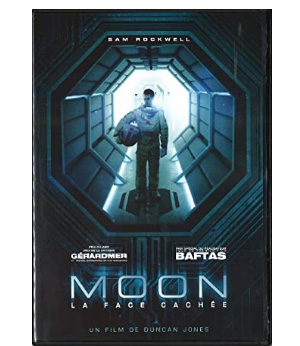
Moon
Synopsis
Moon is a brilliant, atmospheric, and philosophical sci-fi psychological drama directed by Duncan Jones in his feature directorial debut. The story follows Sam Bell, a lonely astronaut nearing the end of a solitary three-year mining contract on the dark side of the moon, where he extracts Helium-3 to provide clean energy for an energy-starved Earth. His only companion is GERTY, an intelligent artificial intelligence assistant. With just two weeks left before he reunites with his wife and daughter, Sam begins experiencing severe hallucinations, memory lapses, and failing health. Following a rover accident outside the base, he discovers a horrifying corporate secret regarding his true identity. The film delivers masterclass sci-fi suspense.
The Making of the Film
Director Duncan Jones and co-writer Nathan Parker conceived the indie sci-fi project specifically as a showcase for actor Sam Rockwell, wanting to create a cerebral, retro-style science fiction film reminiscent of 1970s classics like '2001: A Space Odyssey' and 'Alien'. Operating on a tight independent budget, the production built detailed physical sets, miniatures, and practical computer interfaces on a London soundstage rather than relying on heavy CGI. Kevin Spacey provided the voice of the AI companion GERTY, bringing subtle emotional warmth to the robotic interface.
Critical Reception
Professional critics greeted the film with widespread critical acclaim, praising its intelligent script, retro-futuristic set design, and Sam Rockwell's astonishing tour-de-force lead performance. Reviewers lauded Duncan Jones for crafting a tense, philosophical psychological mystery that prioritized human existential dread over loud laser battles. Critics commended the film for honoring classic science fiction traditions while offering fresh twists on corporate exploitation and cloning. It was hailed as a modern sci-fi masterpiece.
Audiences responded with tremendous enthusiasm, turning the low-budget indie feature into a massive critical and commercial darling on the festival circuit and streaming platforms. Viewers were captivated by the slow-burn mystery, Sam Rockwell's dual portrayals, and the emotional resonance of the narrative. Word-of-mouth cemented its status as an immortal sci-fi classic. Its legacy remains immense.
The film achieved major awards success, winning a BAFTA Award for Outstanding British Debut for Duncan Jones, alongside numerous international festival awards for screenplay and actor.
Behind-the-Scenes Stories
Director Duncan Jones drew inspiration from classic 1970s sci-fi cinema, existential philosophy, and corporate conspiracy literature. Coordinating Sam Rockwell's dual acting scenes required intricate split-screen camera techniques and a stand-in actor named Spencer Jones to act opposite Rockwell. During the filming of the lunar rover crash sequences, the crew utilized detailed miniature models built by industry veteran Bill Pearson. Before Sam Rockwell was locked into the role, Jones wrote the script specifically with him in mind.
Themes Explored
Identity, Cloning, Corporate Exploitation, Isolation, Artificial Intelligence, Moon
Ending Explained
The poignant final twist shows the clone Sam escaping the lunar base in a cargo ship toward Earth, leaving the corporate exploiters exposed to public scandal.
Meaning of the Title
The title refers directly to the desolate lunar setting where the lonely mining station operates, symbolizing isolation and the dark side of human nature.
Original Soundtrack
Clint Mansell composed a phenomenal, haunting orchestral and electronic score that beautifully amplified Sam's psychological unraveling and cosmic isolation.
Ex Machina, Solaris, 2001: A Space Odyssey, Sunshine