

 Français
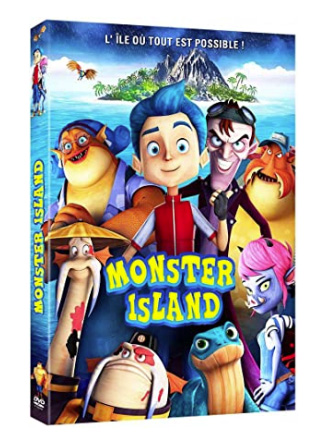
Monster Island
Synopsis
A nerdy, insecure teenage boy named Lucas discovers to his utter astonishment that he is not fully human when he suddenly transforms into a monstrous creature during a school talent show. Seeking answers about his mysterious heritage, he runs away from home and embarks on an ocean voyage to a remote, uncharted tropical island inhabited entirely by bizarre, friendly mythological monsters. As he uncovers his true lineage and learns to embrace his monstrous identity, he must defend his newfound island home from an evil, power-hungry mad scientist planning to exploit the creatures. His wild monster adventure transforms him into a confident hero.
The Making of the Film
Director Leopoldo Aguilar spearheaded the animated fantasy adventure film, produced as an international co-production focusing on family-friendly monster folklore. The inspiration stemmed from wanting to combine classic monster mythology with a teenage coming-of-age story about self-acceptance and belonging. The production team aimed to construct a colorful, imaginative tropical island ecosystem populated by quirky, lovable creatures. The script focused heavily on body transformation and embracing one's uniqueness.
Critical and Reception
Professional critics gave mixed-to-negative reviews, criticizing the derivative animation style, predictable script, and familiar cartoon tropes, despite praising the colorful creature designs. Audiences provided a modest home-video and international theatrical return, finding it a lighthearted, disposable family animation. Reviewers noted that while the monster concepts were fun, the execution lacked Pixar-level polish. The movie settled into a niche as a minor family animation curiosity.
Filming Anecdotes
Director Leopoldo Aguilar drew inspiration from classic monster movies, tropical mythology, and animated coming-of-age adventures. Production faced technical and budgetary constraints while rendering digital character models and jungle environments. During the vocal recording sessions, the voice cast maintained high energetic enthusiasm for the cartoon slapstick. The studio supported the film's family-friendly adventure tone.
Themes Explored
The film explores teenage insecurity, self-acceptance, body transformation, family heritage, and defending nature. It examines how feeling like a monster on the outside can hide a noble heart. Friendship serves as the core anchor for the young protagonist. Additionally, tropical island life provides a vibrant backdrop.
Explanation of the Ending
The narrative concludes with Lucas successfully defeating the evil mad scientist and saving the island monster community using his newfound powers, embracing his hybrid identity with pride and earning the love and respect of his adoptive family. Peace is restored to the tropical sanctuary as Lucas stands tall among his monstrous friends. The final shots capture the island glowing in the sunlight. The resolution provides a cheerful, feel-good closure to the animated adventure.
Meaning of the Title
The title refers directly to the remote tropical island sanctuary inhabited by mythological monsters where the protagonist discovers his heritage and fights for survival. It signifies exotic fantasy, sanctuary, and monster lore. The name creates a catchy, classic hook for an animated family film. It captures the primary setting of the narrative.
There are no recent major developments or active news items regarding this film.