

 Français
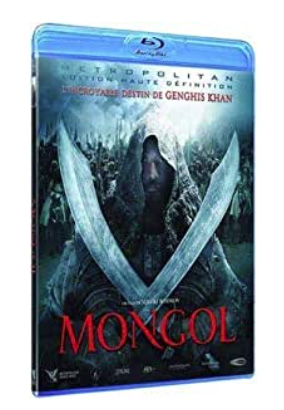
Mongol
Synopsis
Set in late 12th-century Asia, the film chronicles the epic early life of Temüjin, the legendary warrior and outcast who would eventually unite the warring tribes of Mongolia and become Genghis Khan. Surviving a brutal childhood marked by betrayal, slavery, and constant threats to his life, Temüjin endures immense hardships with the unwavering support of his devoted wife, Börte. Through tactical brilliance, resilience, and unyielding determination, he transforms from a hunted fugitive into a visionary leader capable of forging a unified empire. The narrative explores the formative human experiences behind one of history's most formidable conquerors.
The Making of the Film
Director Sergey Bodrov spent years researching and developing the epic project, driven by a lifelong fascination with the historical figure of Genghis Khan beyond Western stereotypes of pure savagery. Bodrov wanted to present an intimate, culturally authentic portrayal of Temüjin's early life, focusing on his marriage to Börte and the harsh nomadic environment that shaped his destiny. The production was mounted as an ambitious international co-production involving Kazakhstan, Russia, and Germany.
Critical Reception
Professional critics praised the film for its breathtaking cinematography capturing the vast steppes of Asia, stellar performances, and a fresh historical perspective on Genghis Khan's early struggles. Reviewers commended Bodrov for treating the subject with epic cinematic grandeur and anthropological respect.
The general public and history enthusiasts responded positively to the sweeping battle sequences and immersive cultural world-building, making it a notable international success.
The film received an Academy Award nomination for Best Foreign Language Film, marking a major milestone for Kazakh cinema on the global stage, alongside numerous international festival awards for cinematography and production design.
Filming Anecdotes
Director Sergey Bodrov drew inspiration from historical chronicles, Mongolian folklore, and classic epic cinema, insisting on shooting on authentic locations across the harsh landscapes of China and Mongolia.
Production faced extreme weather conditions, rugged terrain, and difficult logistics involving hundreds of horses and stunt riders during massive nomadic warfare sequences.
During the filming of the fierce tribal battle scenes, actors and stuntmen endured freezing temperatures and grueling physical exhaustion to maintain historical realism.
Initially, various international casting directors scouted thousands of actors across Asia before Tadanobu Asano was chosen to embody the legendary conqueror with quiet intensity.
Themes Explored
The film explores destiny versus adversity, enduring marital loyalty, the birth of national unity out of tribal chaos, and the shaping of an iconic historical leader through suffering.
Ending Explanation
The ending shows Temüjin emerging victorious after uniting the scattered Mongol tribes, standing proudly as Genghis Khan while gazing across the horizon toward the expansion of his legendary empire.
Title Significance
The title 'Mongol' references the ancestral heritage and identity of the nomadic tribes that the protagonist successfully united under a single banner.
Similar Films
Braveheart, The Last Samurai, Gladiator, Apocalypto