

 Français
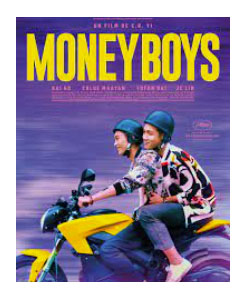
Moneyboys
Synopsis
This poignant, atmospheric, and critically acclaimed LGBTQ+ drama film written and directed by C.B. Yi follows Fei, a young man living in a bustling Chinese metropolis who works illegally as a young male sex worker, sending money back home to his traditional rural family who happily accept his financial support while remaining utterly ignorant of how he earns it. When Fei falls deeply in love with another male escort named Long and attempts to build a genuine life with him, his sheltered past shatters when a violent jealous attack forces Long away and his family discovers the shameful truth about his profession, rejecting him completely. Desperate to escape his past and find peace in Europe, Fei must navigate loneliness and cultural displacement. It is a striking, sensitive art-house masterpiece.
The Making of the Film
The project originated from Taiwanese-Austrian writer-director C.B. Yi's ambition to craft an intimate, empathetic art-house drama exploring the hidden underground lives of young migrant sex workers in modern urban China and their complex relationships with traditional family structures. Yi spent years researching underground communities to ensure emotional and cultural authenticity. Inspiration was drawn from real-life migrant worker experiences, European art-house cinema, and queer migration stories. The creative team aimed to produce an uncompromised artistic gem.
Critical Reception
Critics offered widespread, rapturous acclaim, praising C.B. Yi's striking visual direction, moody neon-lit cinematography, and Kai Ko's powerhouse lead performance as Fei. Reviewers noted that Yi successfully delivered a sensitive, non-judgmental character study about transactional intimacy, familial betrayal, and queer survival in contemporary societies. Kai Ko's heartbreaking, internalized portrayal of a lonely migrant worker received universal applause at the Cannes Film Festival where it premiered in Un Certain Regard. It was immediately recognized as an independent cinema triumph.
Audience reception was warm among cinephiles and LGBTQ+ film enthusiasts, driving strong international art-house success and critical acclaim across global film festivals. Viewers on public platforms praised the moody neon cityscapes, tender romance subplots, and complex family confrontation scenes. Fans of international queer cinema celebrated its supreme empathy. Word-of-mouth sustained strong long-term prestige.
Awards season brought major triumph, securing official selection at the Cannes Film Festival and winning numerous international festival accolades for directing and lead acting. Critics' associations acknowledged the film's stylistic brilliance and emotional authenticity. These accolades cemented its status as a premier masterpiece of modern international queer cinema.
Behind-the-Scenes Stories
The director and production team drew visual inspiration from Asian urban neo-noir cinema, neon-lit night street photography, and minimalist art framing to establish a cool, melancholic aesthetic. Every location, from the crowded underground apartments to smoky clubs and rural farming villages, was carefully styled to reflect Fei's emotional displacement and cultural isolation. The production team collaborated with cultural advisors to ensure that migrant worker struggles and family expectations were portrayed with absolute dignity. These artistic choices created an authentic art-house world.
Production presented fascinating logistical and technical hurdles, requiring lead actor Kai Ko to deliver a physically and emotionally demanding performance involving intense romantic intimacy and devastating family rejection scenes. C.B. Yi encouraged quiet, understated performances, allowing silence to carry the emotional weight. Furthermore, maintaining strict emotional consistency across cross-cultural settings demanded obsessive focus from the crew.
During the filming of the pivotal family confrontation sequences where Fei's parents reject his money and his identity, Kai Ko executed his heartbreaking emotional breakdown with total professional commitment. To maintain authentic tension, Yi utilized long, unbroken master shots. The crew utilized muted neon lighting. This rigorous dedication resulted in immortal cinematic moments.
Casting was anchored by securing acclaimed actor Kai Ko in a career-defining lead role that showcased his profound dramatic depth, alongside supporting talent including JC Lin and Bai Yu-Chieh. This targeted casting strategy was the absolute heartbeat of the film's success.
Themes Explored
The narrative deeply explores themes of queer migrant sex work, transactional intimacy, and the crushing weight of traditional family expectations in rural societies. It examines loneliness, urban displacement, and finding self-worth after total familial rejection. Additionally, it highlights romantic heartbreak, cultural survival, and healing psychological wounds. Ultimately, the film reflects on love, family, and the search for home.
Ending Explained
Fei finally decides to leave his painful past behind entirely and begins a quiet new life in Europe, accepting his solitude while finding a fragile sense of personal peace away from the crushing judgment of his family. In the haunting final shot, Fei stares out a window at a rainy European city street with quiet resolve. The moving resolution underscores the painful price of personal liberation.
Meaning of the Title
The title directly references the young male escorts who sell their bodies in urban underground economies ("Moneyboys").
Similar Films
Films sharing similar queer art-house drama, migrant sex work, and family rejection themes include Happy Together (1997), My Own Private Idaho (1991), and The Wayward Cloud (2005).