

 Français
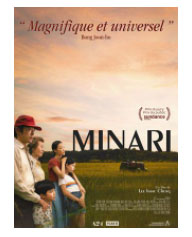
Minari
Synopsis
Set during the 1980s, a Korean-American family packs up their life in California and relocates to a remote, windswept farm in rural Arkansas after the patriarch, Jacob, decides to chase his American dream of cultivating traditional Korean vegetables to sell to immigrant grocery stores. As Jacob works tirelessly to build his agricultural enterprise, his skeptical wife Monica struggles with the lonely, isolated rural environment and financial instability. The arrival of Monica's foul-mouthed, loving Korean grandmother injects chaotic domestic joy into the household, helping the young grandson navigate family tensions. The poignant drama captures immigrant resilience and familial bonds.
The Making of the Film
Writer and director Lee Isaac Chung developed the semi-autobiographical drama, drawing inspiration directly from his own childhood memories growing up as the son of Korean immigrant farmers in rural Arkansas. The inspiration stemmed from wanting to capture the universal human experience of family survival, cultural displacement, and intergenerational love. The production team invested heavily in authentic rural Arkansas farm location shoots and natural summer lighting. The script was meticulously structured as a tender, poetic tribute to immigrant perseverance.
Critical Reception
Professional critics widely acclaimed the film as a modern masterwork, praising its delicate emotional resonance, gorgeous cinematography, and powerhouse performances by Steven Yeun, Han Ye-ri, and Youn Yuh-jung. Reviewers lauded Chung for crafting a deeply personal story that achieved universal emotional truth. Public reception was overwhelmingly enthusiastic worldwide, turning it into a major awards season darling. The film earned six Academy Award nominations, with Youn Yuh-jung winning the Oscar for Best Supporting Actress.
Behind-the-ScenesStories
Director Lee Isaac Chung drew visual inspiration from American pastoral landscape painting, memory-driven art-house cinema, and family photo archives. Production took place on location across rural farmland in Tulsa, Oklahoma (simulating Arkansas), utilizing authentic rural properties during sweltering summer weather. During the filming of intimate family dinner sequences, the cast built genuine, affectionate domestic rapport. Youn Yuh-jung brought her beloved grandmotherly warmth directly to her role.
Themes Explored
The themes explored include the American dream, Korean immigrant adaptation, intergenerational family love, agricultural labor, resilience, and cultural roots.
Ending Explained Ending Explained The poignant climax sees the family's barn burning down after a harvest accident, but Jacob and his son salvage their harvested minari crop by the creek, uniting in resilient hope.
Meaning of the TitleMeaning of the Title The title refers to "minari," a resilient Korean water celery plant that grows abundantly anywhere, symbolizing the family's ability to thrive through adversity.
Original Soundtrack Emile Mosseri composed an extraordinary, Oscar-nominated orchestral score featuring gentle acoustic guitar and soothing choral arrangements that anchored the pastoral warmth.
Similar Films Nomadland, The Farewell, Roma