

 Français
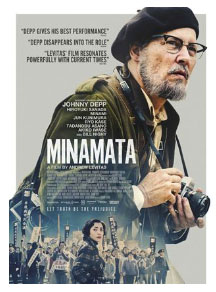
Minamata
Synopsis
Minamata follows W. Eugene Smith, a disillusioned, hard-drinking American photojournalist living in New York during the early 1970s who has lost his passion for life and documentary work. Persuaded by an idealistic Japanese translator named Aileen, Smith travels to the coastal industrial city of Minamata in Japan to investigate a horrifying corporate tragedy: local villagers are suffering from severe mercury poisoning caused by industrial chemical waste dumped into the bay by the Chisso Corporation. Through his powerful camera lens, Smith captures the devastating human cost of industrial greed and sparks a global awakening.
The Making of the Film
Directed by Andrew Levitas, the biographical drama was adapted from the acclaimed photo-book co-authored by W. Eugene Smith and Aileen Mioko Smith. The inspiration stemmed from Smith's courageous true-life photojournalism documenting the industrial mercury poisoning tragedy in Japan. The production utilized authentic coastal locations in Serbia and Montenegro standing in for Minamata, alongside meticulous 1970s period wardrobe and vintage camera equipment.
Critical Reception
Critics offered generally positive reviews, praising Johnny Depp's powerful, restrained lead performance as the weathered photojournalist, atmospheric cinematography, and the film's important historical message. Reviewers highlighted the emotional resonance of Smith's iconic photography and the heartbreaking depiction of the victims. The solemn tone received praise.
Audiences embraced the movie as a moving tribute to investigative journalism and environmental justice.
The film earned recognition across international film festivals for its screenplay, acting, and historical importance.
Behind-the-Scenes Stories
Andrew Levitas drew heavy inspiration from W. Eugene Smith's original photo essays and historical archives of the Minamata disaster.
Recreating 1970s Japanese fishing villages and industrial factory sites required meticulous set construction and vintage camera staging.
During production, Johnny Depp studied Smith's camera techniques and personal mannerisms to portray the photographer authentically.
Casting Johnny Depp brought immense global visibility to the overlooked historical tragedy.
Themes Explored
The film explores investigative photojournalism, industrial mercury poisoning, corporate greed, environmental activism, corporate cover-ups, and human resilience.
Ending Explained
The powerful historical climax shows Smith publishing his devastating photo essay, forcing the Chisso Corporation to settle with the victims and cementing his photographic legacy.
Meaning of the Title
Reference to the industrial Japanese city (Minamata) where the corporate poisoning tragedy and photojournalistic crusade took place.
Original Soundtrack
The original musical score composed by Ryuichi Sakamoto features haunting, melancholic piano arrangements and ambient strings that amplify the tragedy.
Similar films include Dark Waters, Erin Brockovich, Spotlight, and The Insider.