

 Français
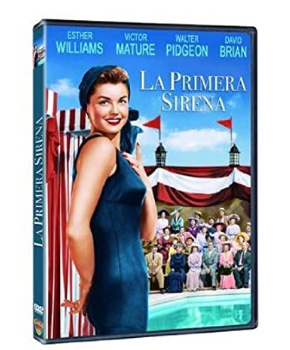
Million Dollar Mermaid
Synopsis
Million Dollar Mermaid (released in the UK as The One Hundred Dollar Girl) is a lavish, dazzling Technicolor biographical musical drama directed by Mervyn LeRoy that chronicles the extraordinary life and aquatic career of Australian swimming sensation and Hollywood star Annette Kellerman. Set from the early 1900s through the 1920s, the story follows Annette, a young girl suffering from leg paralysis who overcomes her disability through rigorous swimming therapy. Rising to international fame as a champion swimmer, she travels to London and America, where she pioneers synchronized swimming, invents the modern form-fitting one-piece women's bathing suit, and stars in extravagant Hollywood underwater pageants. The film delivers spectacular aquatic choreography and romance.
The Making of the Film
Producer Arthur Freed and Metro-Goldwyn-Mayer spearheaded the lavish biographical musical project as a star vehicle for Esther Williams, Hollywood's reigning queen of synchronized swimming. Director Mervyn LeRoy took on the production, utilizing massive studio swimming pools, elaborate hydraulic camera rigs, and breathtaking Technicolor underwater cinematography. Busby Berkeley was hired to choreograph the monumental, surreal aquatic ballet sequences featuring hundreds of swimmers and glowing stage designs. Esther Williams performed her own dangerous swimming stunts, nearly drowning during a high-dive accident on set.
Critical Reception
Professional critics offered favorable reviews upon release, praising the film's eye-popping Technicolor cinematography, Busby Berkeley's wildly inventive aquatic choreography, and Esther Williams's radiant lead performance. Reviewers noted that while the biographical plot took dramatic liberties with Annette Kellerman's actual life history, the jaw-dropping water ballet spectacles more than compensated. Critics highlighted the flaming pool dive sequence as a landmark achievement in musical cinema. It became a massive box office hit worldwide.
Audiences flocked to theaters in historic numbers, captivated by the stunning synchronized swimming routines, glamorous costumes, and romantic charm. Viewers adored Esther Williams as America's beloved mermaid, turning the film into a defining cultural touchstone of 1950s musical entertainment. Word-of-mouth solidified its status as an immortal classic of aquatic cinema.
The film achieved major awards success, receiving an Academy Award nomination for Best Cinematography (Color) for George J. Folsey.
Behind-the-Scenes Stories
Director Mervyn LeRoy and choreographer Busby Berkeley drew inspiration from early 20th-century swimming history, vaudeville water shows, and MGM musical traditions. Coordinating the massive underwater musical numbers required custom-designed waterproof camera housings and weeks of synchronized swimming rehearsals in heated studio pools. During the filming of the famous high-dive sequence through fire, Esther Williams suffered a severe back injury that caused chronic pain for years. Before Esther Williams was cast, studio executives discussed the biographical property as a potential prestige drama.
Themes Explored
Swimming, Showbusiness, Overcoming Disability, Water Ballet, Fame, Romance
Ending Explained
The joyful and triumphant finale shows Annette performing a magnificent, glowing underwater comeback pageant to cheering crowds, cementing her legacy as the pioneer of synchronized swimming.
Meaning of the Title
The title honors Annette Kellerman's historic status as a superstar swimming pioneer and box office champion for MGM studio.
Original Soundtrack
Adolph Deutsch and Conrad Salinger arranged a dazzling, upbeat musical score featuring classic ragtime tunes and romantic orchestrations that fueled the aquatic ballets.
Bathing Beauty, Easy to Wed, Neptune's Daughter, The Greatest Show on Earth