

 Français
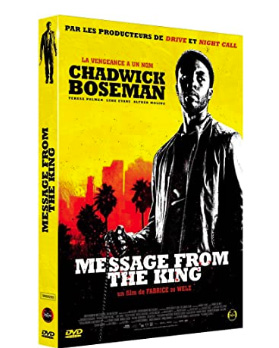
Message from the King
Synopsis
Jacob King, a quiet and intense man from Cape Town, arrives in Los Angeles on a relentless mission to find his younger sister, who recently moved to Hollywood and has gone mysteriously missing. Armed with only a photograph and fierce determination, he navigates the dark underbelly of the city, from glamorous Hollywood hills to grim industrial alleys. As he traces her final footsteps, he uncovers a horrific web of corruption, exploitation, and foul play involving high-society figures. With ruthless efficiency, King dispenses his own brand of brutal vigilante justice to make the perpetrators pay.
The Making of the Film
Belgian director Fabrice Du Welz conceived the revenge thriller as an homage to classic 1970s American neo-noir cinema, focusing on a fish-out-of-water protagonist in a sprawling urban jungle. Inspired by gritty Hollywood crime dramas, the filmmakers aimed to contrast the glossy tourist veneer of Los Angeles with its genuine socioeconomic decay. The screenplay was developed to emphasize mood, slow-burn tension, and physical action over conventional detective procedural tropes.
Critical Reception and Reviews
Professional Critic Reviews
Critics gave the film mixed reviews, praising Chadwick Boseman's magnetic, brooding lead performance and the atmospheric neo-noir cinematography. Reviewers appreciated the moody, deliberate pacing and the willingness to explore the darker, seedier side of Hollywood rather than typical glamour. Some critics, however, felt that the revenge plot relied on familiar genre clichés and predictable narrative beats. Overall, it was regarded as a stylish and gritty exercise in modern noir.
Public Reception
Audiences responded positively, especially appreciating Chadwick Boseman's commanding screen presence shortly after his breakout role as Black Panther. Action and thriller fans enjoyed the grounded, brutal fight choreography and the atmospheric Los Angeles locations. The bleak, uncompromising tone resonated well with enthusiasts of hard-boiled crime cinema.
Awards and Honors
While the film did not compete in major mainstream award ceremonies, it earned recognition at international fantasy and crime film festivals for its stylish cinematography and lead performance. Chadwick Boseman's intense physical dedication received high praise from action genre critics.
Filming Anecdotes
Director's Inspirations
Fabrice Du Welz was heavily inspired by classic American vigilante films and 1970s neo-noir masterpieces like 'Taxi Driver' and 'Point Blank'. He wanted Los Angeles to feel like a modern labyrinth filled with predatory characters lurking beneath sunny skies. The camera work utilized lingering close-ups to emphasize King's internal grief and isolation.
Production Difficulties
Shooting on location across gritty, authentic neighborhoods of Los Angeles required careful security and coordination with local community groups. Maintaining a consistent gloomy, atmospheric tone despite sunny southern California weather tested the cinematography crew. The low-budget schedule demanded extreme efficiency during complex stunt and hand-to-hand combat sequences.
Particular Scene Anecdote
The intense confrontation in the opulent Hollywood mansion required Chadwick Boseman to execute precise, rapid choreography without traditional stunt doubles. Boseman spent weeks training in specific martial arts styles to ensure King's combat movements looked ruthless and economical. Crew members commended the actor's intense focus and professional discipline on set between demanding takes.
Initial Casting Choices
Chadwick Boseman was cast specifically because the director wanted an actor capable of projecting profound stillness and hidden volcanic fury. The supporting cast was filled with seasoned character actors to give the Los Angeles underworld a lived-in, authentic texture. The search for the missing sister required delicate casting to find an actress who could establish emotional stakes quickly.
Themes Explored
The film explores themes of familial loyalty, grief, and the dark underbelly of the American dream in Hollywood. It examines the exploitation of vulnerable immigrants and aspiring artists by wealthy elites. Another major theme is the limits of official law enforcement versus raw, personal vigilante justice. Ultimately, it serves as a grim exploration of vengeance and sorrow.
Explanation of the Ending
The climax culminates in King confronting the wealthy mastermind responsible for his sister's tragic fate, dispensing brutal justice before vanishing back into the shadows. Rather than finding peace or redemption, King remains a haunted, solitary figure whose mission has cost him everything. The final shots depict him walking away into the anonymous Los Angeles traffic, having closed the book on his vengeance. It signifies that revenge brings no true healing, only temporary closure.
Meaning of the Title
The title 'Message from the King' refers both to the literal surname of the protagonist (Jacob King) and the brutal wake-up call he delivers to the corrupt elites of Los Angeles. It frames his violent crusade not merely as random acts of revenge, but as a deliberate reckoning sent from an outsider. The bold title underscores the uncompromising noir tone of the narrative.
["Drive", "Blue Ruin", "The Brave One"]