

 Français
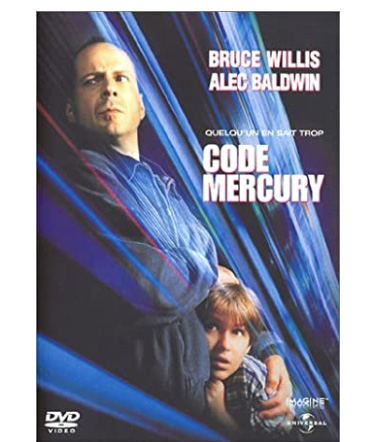
Mercury Rising
Synopsis
Art Jeffries is a rebellious, non-conformist FBI agent who falls out of favor with his superiors after botching a dangerous hostage negotiation. Assigned to a routine missing-person case, Art discovers a nine-year-old autistic boy named Simon who has successfully cracked ``Mercury,`` a top-secret, unbreakable National Security Agency cryptographic code, by viewing it as a visual puzzle in a magazine. When rogue intelligence operatives led by a ruthless colonel murder Simon's parents to silence the security breach, Art takes the terrified boy under his protection. This high-stakes action thriller combines government conspiracy with emotional protection.
The Making of the Film
Based on Ryne Douglas Pearson's acclaimed 1996 novel Simple Simon, the film adaptation was developed by Universal Pictures to capitalize on the 1990s trend of high-concept government conspiracy thrillers. Director Harold Becker was brought on board to helm the project, balancing explosive action sequences with sensitive character portrayals. Bruce Willis championed the lead role, bringing his trademark rugged vulnerability to the protective agent character. The production worked closely with autism advocates to ensure an authentic, respectful portrayal of a young boy on the autism spectrum.
Critical Reception
Upon its release, the film received mixed reviews from professional critics who found the plot relied heavily on familiar 1990s government-conspiracy clichés and formulaic chase tropes. However, audiences responded warmly to the emotional core of the film, praising the touching bond between Bruce Willis and young newcomer Miko Hughes. Reviewers particularly commended Miko Hughes for his remarkably nuanced and empathetic portrayal of an autistic child. It performed solidly at the international box office.
Behind-the-Scenes Stories
Bruce Willis formed a close, protective bond with young actor Miko Hughes off-screen to ensure their on-screen chemistry felt natural and emotionally grounded. Director Harold Becker utilized authentic Chicago architectural locations, including elevated train lines and gritty neighborhoods, to create an atmospheric urban chase backdrop. Special security consultants advised the crew on NSA cryptographic protocols and FBI tactical procedures. During the climactic Willis Tower elevator and rooftop sequences, stunt doubles and safety teams worked meticulously to ensure child safety.
Themes Explored
The film explores government overreach, intelligence agency paranoia, and the ethical limits of national security secrecy. It examines the vulnerability of neurodivergent children within bureaucratic systems. Furthermore, it highlights unconditional protection, empathy, and unlikely human bonds.
Explication_fin
During a tense, high-altitude rooftop confrontation inside a Chicago skyscraper, Colonel Kudrow attempts to eliminate Simon, but Art outwits the rogue agents and exposes their treasonous conspiracy to federal authorities. Kudrow is arrested for his crimes, and Simon is safely placed into the loving care of his foster aunt and uncle, maintaining a lasting connection with Art. In the final scene, Art waves goodbye to Simon at the train station, having healed his own emotional scars through protecting the child. The conclusion brings safety and justice.
Meaning of the Title
The English title Mercury Rising refers directly to Mercury, the ultra-secure national security cryptographic code cracked by the autistic boy, and the rising danger surrounding his life. It establishes a tense, conspiratorial espionage tone. The title highlights the high-stakes threat of the government cover-up.
John Barry's magnificent, suspenseful orchestral score provided a sophisticated melodic backdrop, marking one of the legendary composer's final cinematic masterworks before retirement.
The Siege, Enemy of the State, A Perfect World, Cop Land