

 Français
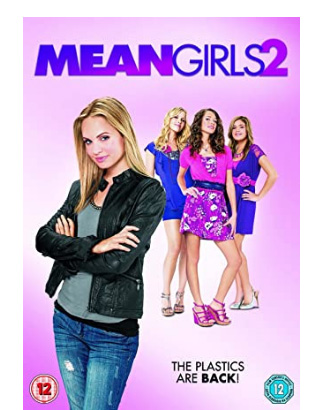
Mean Girls 2
Synopsis
Jo Mitchell is a tomboyish, fiercely independent high school senior who transfers to a wealthy suburban academy and agrees to befriend a bullied, unpopular outcast named Abby in exchange for having her college tuition paid by Abbys wealthy father. Upon arrival, they immediately clash with the Plastics, a hyper-wealthy, cruel clique of popular mean girls led by the manipulative Mandi. Utilizing pranks, social sabotage, and underground high school politics, Jo launches a counter-attack to dethrone the queen bee. Through high school drama, romance, and friendship betrayal, Jo learns the importance of loyalty and self-acceptance.
The Making of the Film
Director Melanie Mayron helmed the direct-to-video teen comedy sequel inspired by Mark Waters 2004 cultural phenomenon Mean Girls. Paramount Famous Productions financed the project to capitalize on the enduring brand recognition of the original hit while introducing a fresh collegiate cast. The script attempted to modernize high school social dynamics for a 2010s audience.
Critical Reception
Critics universally panned Mean Girls 2 upon its release, criticizing its uninspired script, weak acting performances, and lack of the sharp, witty satire that made the original 2004 film an iconic classic. Reviewers noted that it felt like a generic, forgettable direct-to-video teen movie devoid of Tina Fey brilliant writing. Fans of the original film widely rejected the sequel.
Public reception was modest, finding a niche audience on television broadcasts and home video platforms among younger viewers unfamiliar with the original masterpiece. General audiences largely ignored the direct-to-video release. It remains a notorious cinematic sequel that failed to capture its predecessor magic.
The film did not receive any mainstream award nominations, reflecting its poor critical standing. Its cultural impact remains entirely overshadowed by the original 2004 classic. It is remembered primarily as an unnecessary cash-grab sequel.
Filming Anecdotes
Director Melanie Mayron drew inspiration from teen television series, modern high school social cliques, and the legacy of the original Mean Girls. She chose sunny Atlanta suburban high schools to create a bright, standard teen-drama visual aesthetic. Her direction encouraged the young cast to lean into familiar high school archetype roles.
Production operated on a modest direct-to-video budget, requiring efficient scheduling and quick turnaround times for the cast and crew. Meaghan Martin brought confident screen presence to her lead role as Jo. Jennifer Stone added quirky comedy to her outcast character.
A memorable sequence involves the rival cliques engaging in a chaotic prank war during a high school spirit rally involving whipped cream and paintballs. The scene attempts to mimic the chaotic energy of the original burn book fallout. The slapstick choreography lacked the original films sharp bite.
The casting process assembled a fresh roster of young television actors. Meaghan Martin was cast as the lead tomboy protagonist following her Disney Channel success. Jennifer Stone and Maiara Walsh rounded out the high school cast.
Themes Explored
The film explores high school bullying, social cliques, popularity, female friendship, betrayal, and self-acceptance. It attempts to replicate the social survival lessons of the original film. True friendship conquers superficial status.
NULL
Title Significance
The title directly references the 2004 cultural hit Mean Girls while signaling a direct sequel following a new generation of high school social tyrants. It highlights the continuation of high school clique warfare.
NULL
NULL
Similar Films
Other similar films include Mean Girls, Bring It On: In It to Win It, and Sleepover.