

 Français
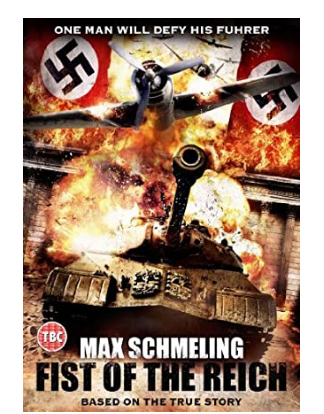
Max Schmelling
Synopsis
The biographical sports drama chronicles the life of legendary German heavyweight boxing champion Max Schmelling, focusing on his rise to global fame, his historic rivalry with Joe Louis, and his quiet defiance of the Nazi regime. Winning the world title in 1930, Schmelling becomes a national hero in Germany before facing American icon Joe Louis in two politically charged matches. Despite intense propaganda pressure from Joseph Goebbels, Schmelling maintains his personal integrity and later forms a lifelong friendship with Louis. His life embodies sportsmanship above politics.
The Making of the Film
Director Hanns Christian Müller undertook the ambitious biographical project to re-examine Max Schmelling's complex legacy in German and American sports history. Producers sought to separate Schmelling's athletic achievements from Nazi propaganda efforts, highlighting his documented protection of Jewish children during Kristallnacht. The production utilized authentic European locations and period-accurate boxing arenas to recreate the pre-war and post-war eras. Former professional boxer Henry Maske was cast as Schmelling, bringing authentic physical stature to the ring sequences. The filmmakers aimed to restore historical nuance to a misunderstood sports icon.
Critical Reception
Critics offered mixed reviews, praising Henry Maske's physical commitment in the boxing ring and the film's honorable historical intentions while noting occasional conventional biopic pacing. Reviewers acknowledged the importance of highlighting Schmelling's moral courage under a totalitarian regime. Audiences responded respectfully to the dramatic exploration of sportsmanship transcending wartime hatred. The boxing choreography received praise for its tactical realism. It remains a valuable historical sports drama.
Behind-the-Scenes Stories
Hanns Christian Müller drew visual inspiration from 1930s newsreel archives and historical war dramas to establish the tense political atmosphere of Nazi Germany. Henry Maske, a former light-heavyweight world champion, underwent intense dramatic acting preparation to convincingly portray Schmelling's internal moral conflicts. During filming of the legendary Joe Louis bouts, specialized camera rigs captured the brutal physical impact of heavyweight fighting. The production worked closely with German historians to verify Schmelling's humanitarian actions.
Themes Explored
The narrative explores moral integrity under dictatorship, sportsmanship overcoming racial and national hatred, and lifelong friendship born from fierce athletic rivalry. It examines the dangerous intersection of sports and political propaganda. Furthermore, it highlights personal redemption.
Ending Explained
Max Schmelling lives to old age as a successful businessman, maintaining a deep, lifelong friendship with his former rival Joe Louis and quietly paying for Louis's funeral expenses in 1981. The final cinematic moments reflect on a life defined by honor rather than political affiliation. A poignant, peaceful sense of closure concludes the film.
Meaning of the Title
The full international title reflects Max Schmelling's athletic identity while highlighting the intense political propaganda surrounding his boxing career in Nazi Germany.
Other historical biographical boxing films such as Cinderella Man, The Hurricane, and Raging Bull.