

 Français
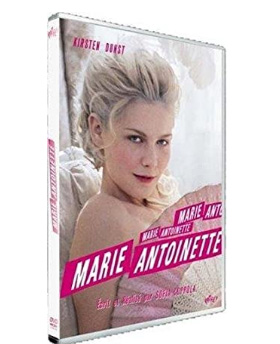
Marie Antoinette
Synopsis
Marie Antoinette is a visually stunning, anachronistic, and deeply stylized biographical drama written and directed by Sofia Coppola. Set against the opulent, suffocating backdrop of the Palace of Versailles in the late 18th century, the story chronicles the glittering, lonely life of the young Austrian archduchess who arrives in France at age fourteen to marry the future King Louis XVI. Isolated within a rigid, hyper-critical royal court that demands an heir, Marie finds solace in lavish fashion, gourmet pastries, champagne, and endless private parties. As political unrest brews among the impoverished French populace outside the palace gates, her glittering bubble eventually bursts. The film offers a pastel-colored, empathetic portrait of a teenage queen.
The Making of the Film
Director Sofia Coppola was inspired to write the screenplay after reading Antonia Fraser's acclaimed biography, which offered a sympathetic perspective on the maligned French queen as a lonely teenager thrust into extreme royal pressure. Coppola received unprecedented permission from the French government to film on location inside the actual historic Palace of Versailles, capturing authentic rooms and gardens. Kirsten Dunst was cast in the title role, bringing vulnerability and modern teenage angst to the historical figure. Academy Award-winning costume designer Milena Canonero created breathtaking pastel gowns that defined the film's visual aesthetic.
Critical Reception
Professional critics offered polarized reviews upon its premiere at the Cannes Film Festival, with some baffled by its contemporary indie rock soundtrack and stylized anachronisms, while others praised its bold visual beauty and emotional intimacy. Reviewers lauded Sofia Coppola's visionary direction for humanizing Marie Antoinette rather than treating her as a distant historical caricature. Critics commended Kirsten Dunst's radiant lead performance and the breathtaking cinematography. Over time, critical perspective has embraced it as a modern cinematic masterpiece.
Audiences, particularly younger cinephiles and fashion lovers, embraced its gorgeous pastel aesthetic, decadent cakes, and infectious soundtrack. Viewers were mesmerized by the sensory feast of Versailles and the bittersweet coming-of-age narrative. Word-of-mouth solidified its reputation as a cult classic of contemporary art-house cinema. Its cultural influence on fashion and film remains immense.
The film achieved major awards success, winning the Academy Award for Best Costume Design for Milena Canonero, alongside international acclaim for its art direction.
Behind-the-Scenes Stories
Director Sofia Coppola drew inspiration from teen coming-of-age films, French art history, and Antonia Fraser's sympathetic historical biography. Filming inside the actual historic Palace of Versailles required strict scheduling to work around daily tourist hours and protect fragile royal antiques. During the filming of the decadent pastry and party scenes, Kirsten Dunst and the cast enjoyed authentic gourmet delicacies prepared by French pastry chefs. Before Kirsten Dunst was locked in, various young Hollywood actresses were discussed during early development.
Themes Explored
Youth, Versailles, Isolation, Excess, Monarchy, Coming-of-Age, Rebellion
Ending Explained
The poignant final shot shows the ravaged royal bedroom after the angry revolutionary mob storms Versailles, leaving the queen looking back before departing into uncertain history.
Meaning of the Title
The title uses the legendary historical name of the French queen, framing the entire biographical narrative around her personal coming-of-age journey.
Original Soundtrack
An eclectic, anachronistic soundtrack featuring post-punk and new wave bands like New Order, The Cure, and Bow Wow Wow contrasted modern teen angst with 18th-century court opulence.
Lost in Translation, The Virgin Suicides, Amadeus, The Favourite