

 Français
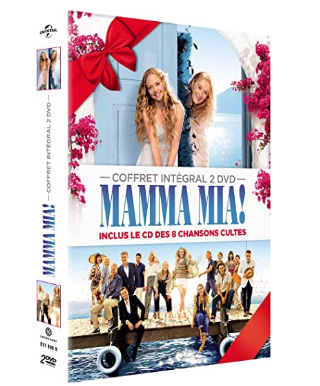
Mamma Mia! Here We Go Again
Synopsis
Five years after the first film, Sophie is preparing to reopen the Hotel Bella Donna on the Greek island of Kalokairi in memory of her late mother. While she struggles with the preparations and with her own relationship, the story travels back in time to show a young Donna arriving on the island. Along the way we discover how she met the three men who might be Sophie's father. ABBA songs weave past and present together in a story about family, memory and grief.
The Making of the Film
The huge success of Mamma Mia! in 2008 made a sequel almost inevitable, but it took ten years for the project to take shape. The story was developed by Richard Curtis, Ol Parker and Catherine Johnson, the author of the original stage musical. Ol Parker, who had worked with a similar ensemble cast on The Best Exotic Marigold Hotel, wrote the screenplay and took over the director's chair from Phyllida Lloyd. The team chose a clever structure that is both a sequel and a prequel, cutting between Sophie in the present day and a young Donna in the late 1970s. This allowed the film to explore the origins of the characters we already loved while keeping the tone light and joyful. The producers also worked with ABBA's Benny Andersson and Björn Ulvaeus, who helped select songs that had not been used in the first film. The production moved to Croatia, where the island of Vis stood in for the fictional Greek island of Kalokairi. The film was released in the summer of 2018 and reunited most of the original cast.
Critical Reception
Summary of professional reviews
Critics were generally kind to the sequel, although many admitted that the plot is slight and that the film relies heavily on nostalgia. Lily James was widely praised for her charm and her singing as the young Donna. Cher's entrance as Sophie's grandmother was singled out as one of the highlights. Several reviewers felt that the film lacked the freshness of the original, but most agreed that its warmth and good humor made it hard to resist.
Public reception
Audiences embraced the film, particularly fans of the first Mamma Mia!, who turned screenings into sing-along parties. It earned around 400 million dollars worldwide, which confirmed the appeal of the franchise. Many viewers said that they enjoyed the emotional moments just as much as the musical numbers.
Behind-the-Scenes Stories
Director's inspirations
Ol Parker wanted the film to feel like a love letter to the original while telling a new story. He built the dual timeline so that the young Donna's adventures would echo Sophie's own journey. The film keeps the colorful, playful style of the musical, with songs used as emotional shortcuts.
Anecdote about a particular scene
One of the best-loved scenes is the duet of Fernando between Cher and Andy Garcia. Their performance gave the film a glamorous, theatrical moment that audiences remembered long after the credits.
Initially planned casting
Cher was cast as Ruby Sheridan, Donna's mother, which surprised many viewers because she is only a few years older than Meryl Streep. The casting was seen as a masterstroke, and her presence helped promote the film.
Themes Explored
The film is about the bond between mothers and daughters, and about how a family can keep someone alive through memory. It celebrates female friendship and independence through the young Donna's travels. Grief hangs over the story, but it is always met with music and humor. The film also reflects on the way places and traditions pass from one generation to the next. Love, forgiveness and the courage to start over are at the heart of its message.
Ending Explained
The film ends with the reopening of the Hotel Bella Donna, which brings together the whole family and its friends. Donna appears in a gentle, emotional moment that allows Sophie to feel her mother's presence one last time. Sophie also finds peace with her own choices and her new role as a mother. The finale turns grief into celebration, with the community singing and dancing together.
Meaning of the Title
The title builds on the ABBA song Mamma Mia, which gave the original musical its name. The phrase Here We Go Again announces both a return to the same characters and the fresh start of a new generation. It also hints at the way the film revisits earlier events through flashbacks.
Original Soundtrack
The soundtrack is made up entirely of ABBA songs, performed by the cast. Some tracks come back from the first film, while others, such as When I Kissed the Teacher and Andante, Andante, were new to the screen. The musical numbers are staged as joyful, theatrical set pieces that drive the story.
Similar Films
Mamma Mia! is the obvious companion and the story's direct predecessor. For more musical romance, try Rocketman, Pitch Perfect and Sing Street. Fans of the ensemble comedy-drama style might also enjoy The Best Exotic Marigold Hotel, directed by the same filmmaker's earlier collaborator.