

 Français
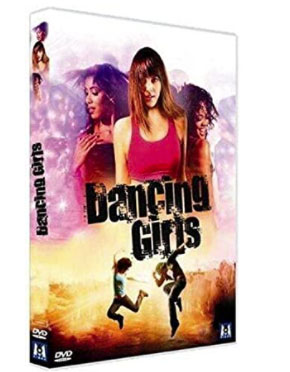
Make It Happen
Synopsis
This energetic dance drama follows Lauryn, a determined young Midwestern woman with dreams of becoming a professional modern dancer, who packs her bags and moves to Chicago after getting accepted into a prestigious dance academy. However, when she arrives, she discovers her financial aid fell through and her audition application was rejected, leaving her stranded in the big city with no money. Desperate for work, she lands a job doing bookkeeping at a flashy burlesque club called Ruby's, where she eventually steps onto the stage and discovers her true, fierce confidence through sensual dance performance. It is an inspiring, high-energy story about chasing passions against the odds.
The Making of the Film
The project originated from independent production companies seeking to capitalize on the explosive popularity of early-2000s dance films by blending traditional modern dance with edgy burlesque club choreography. Filmmakers sought to create an empowering female-led underdog story focusing on self-expression and body confidence. Inspiration was drawn from classic dance academy tropes, urban nightlife, and contemporary choreography. The creative team aimed to produce a high-energy crowd-pleaser for dance enthusiasts.
Critical Reception
Critics offered mixed-to-negative reviews, praising Mary Elizabeth Winstead's charming lead performance and the slick dance choreography while critiquing its highly predictable plot formulas and derivative storyline. Reviewers noted that Winstead brought genuine warmth and athleticism to a role that easily could have felt like a generic cliché. The energetic burlesque club dance numbers received moderate praise for their visual style. Despite lukewarm critical reception, it found a loyal audience among fans of dance cinema.
Audience reception was moderately positive among teenagers and dance fans looking for feel-good escapism and upbeat music. Viewers on public platforms praised the catchy soundtrack, impressive dance routines, and Mary Elizabeth Winstead's screen presence. Fans of dance films appreciated the empowering message of overcoming financial hardship through hard work. Word-of-mouth kept it afloat as a popular home video rental.
Awards season brought no major mainstream nominations, though the film received occasional recognition at independent showcase events for its choreography and costume design. Critics' associations acknowledged the slick editing of the stage dance sequences. While it did not alter the landscape of cinema, it maintained a modest fan base. These accolades reflect its status as an entertaining, disposable dance drama.
Behind-the-Scenes Stories
The director drew visual inspiration from vibrant nightlife lighting, classic burlesque aesthetics, and modern dance studios to establish a stylish, energetic visual style. Every set, from the gritty Chicago streets to the glowing neon burlesque club stage, was designed to reflect the protagonist's personal transformation. The production team collaborated with professional choreographers to ensure that hip-hop and burlesque dance styles looked authentic and athletic. These artistic choices created a dynamic cinematic world.
Production presented physical challenges, requiring lead actress Mary Elizabeth Winstead to undergo months of intensive daily dance training to perform her own complex stage routines. Shooting on location in Chicago and Winnipeg exposed the crew to cold weather while filming hot club scenes. Furthermore, maintaining high physical energy during grueling dance rehearsals demanded immense stamina from the cast. The wardrobe department handcrafted hundreds of glittering burlesque costumes.
During the filming of the pivotal burlesque club debut sequence, Mary Elizabeth Winstead performed her entire sultry dance routine with total fearless dedication. To maintain authentic stage energy, the crew utilized real club extras and dynamic crane camera shots. The crew utilized vibrant neon lighting to accentuate the dance spectacle. This collaborative environment resulted in standout cinematic moments.
Casting was anchored by securing acclaimed dramatic actress Mary Elizabeth Winstead, whose natural poise, acting talent, and physical dedication drove the entire project. Winstead brought emotional credibility to a genre often lacking character depth. Supporting casting directors filled out the club with talented professional dancers. This targeted casting strategy elevated the low-budget dance drama.
Themes Explored
The narrative deeply explores themes of chasing dreams, female empowerment, and overcoming financial adversity. It examines self-confidence, body positivity, and expressing oneself through dance. Additionally, it highlights urban independence, friendship, and reinventing oneself after failure. Ultimately, the film reflects on passion, resilience, and finding strength on the dance floor.
Ending Explained
Lauryn successfully wins a prestigious modern dance company audition after impressing judges with a unique fusion routine combining her classical training with the fierce confidence she learned at the burlesque club. She achieves her dream of becoming a professional dancer while maintaining her independence and friendships. The upbeat story concludes with a joyful celebration of her triumph.
Meaning of the Title
The title directly references the protagonist's personal mantra to "make it happen" despite all financial and personal obstacles.
Similar Films
Films sharing similar dance drama and underdog performance themes include Coyote Ugly (2000), Burlesque (2010), and Flashdance (1983).