

 Français
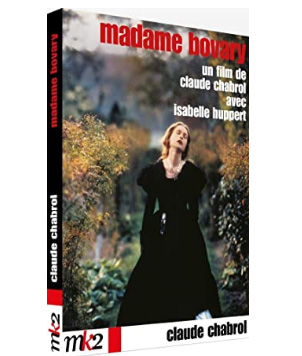
Madame Bovary
Synopsis
Set in 19th-century rural France, a romantic and imaginative young woman named Emma marries a dull, well-meaning country doctor named Charles Bovary, hoping to escape her dreary provincial life. Dissatisfied with domestic monotony and suffocated by bourgeois provincialism, Emma embarks on lavish affairs with wealthy landowners and runs up massive debts to fund a luxurious lifestyle. As creditors close in and her lovers abandon her, Emma faces total financial and moral ruin. Desperate and isolated, she tragically takes her own life.
The Making of the Film
Director Claude Chabrol adapted Gustave Flaubert's monumental 1857 realist masterpiece, fulfilling a lifelong ambition to bring the definitive French literary tragedy to the screen. Producers sought to maintain rigorous historical fidelity regarding nineteenth-century provincial architecture, costumes, and social etiquette. The production utilized authentic locations across Normandy to capture the gloomy, claustrophobic atmosphere of provincial French life. Isabelle Huppert was cast as Emma Bovary, delivering a definitive masterclass performance. The film was backed by French prestige cinema funding.
Critical Reception
Critics showered the film with widespread critical acclaim, praising Claude Chabrol's meticulous direction, faithful literary adaptation, and Isabelle Huppert's phenomenal lead performance. Reviewers noted that Chabrol captured Flaubert's biting irony and psychological precision better than any previous cinematic adaptation. Audiences appreciated the sumptuous period detail and dramatic gravity. Isabelle Huppert earned the Volpi Cup for Best Actress at the Venice Film Festival. It stands as a masterpiece of French literary cinema.
Behind-the-Scenes Stories
Claude Chabrol drew visual inspiration from 19th-century French realist paintings and historical museum archives. Isabelle Huppert wore heavy, authentic crinoline dresses that restricted physical movement, perfectly mirroring Emma's social confinement. During filming in Normandy, authentic provincial chateaus served as filming locations without modern alterations. The screenplay adhered closely to Flaubert's original dialogue structures.
Themes Explored
The narrative explores romantic illusion versus harsh reality, bourgeois materialism, adultery, provincial suffocation, and financial ruin. It examines how romantic escapism destroys human lives. Furthermore, it highlights tragedy.
Ending Explained
Emma swallows arsenic and dies a agonizing death in her bed while her grieving husband Charles discovers her secret love letters, dying of heartbreak shortly thereafter. A bleak, tragic literary conclusion closes the film.
Meaning of the Title
The title 'Madame Bovary' refers directly to the protagonist, symbolizing her tragic marital status and doomed social aspirations in provincial France.
Other sumptuous 19th-century period literary adaptations such as The Age of Innocence, Anna Karenina, and Far from the Madding Crowd.