

 Français
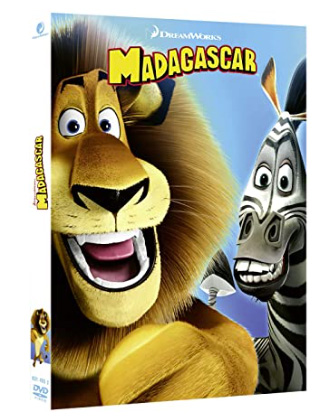
Madagascar
Synopsis
Alex the lion is the star attraction at New York's Central Park Zoo, where he lives comfortably with his friends Marty the zebra, Melman the giraffe and Gloria the hippopotamus. When Marty becomes curious about life beyond the zoo, his attempt to escape sets off an unexpected chain of events. The four animals eventually find themselves transported to the island of Madagascar, where they must learn to survive in the wild. Far from their familiar routines, their friendship is tested by new dangers, unusual companions and Alex's natural instincts.
The Making of the Film
Madagascar was developed by DreamWorks Animation as an original animated comedy about zoo animals suddenly confronted with life in the wild. The concept allowed the filmmakers to explore the contrast between comfortable urban surroundings and the unpredictable natural world. Directors Eric Darnell and Tom McGrath wanted to create a lively ensemble adventure built around four very different personalities. The characters were designed to generate comedy through their contrasting temperaments and their reactions to unfamiliar situations. Ben Stiller, Chris Rock, David Schwimmer and Jada Pinkett Smith were chosen to provide the voices of the four main animals. The production combined computer animation with a deliberately stylised visual approach rather than aiming for complete realism. Madagascar itself became an important setting because of its distinctive wildlife and geographical isolation. The story also draws on the classic adventure tradition in which characters must leave familiar surroundings and discover their own abilities. The film became the first instalment of a successful animated franchise.
Critical Reception
Professional Reviews: Critics generally praised Madagascar for its energetic humour, colourful animation and entertaining voice performances. The comic relationship between Alex and Marty was particularly well received. Some reviewers considered the story less original than its visual style and character design. The film's fast pacing and accessible jokes nevertheless made it an effective family comedy.
Audience Reception: Madagascar was a commercial success and quickly became popular with children and families. Viewers particularly enjoyed the eccentric penguins, the four main characters and the film's memorable comic situations. Its appeal extended beyond its original theatrical release through home entertainment and television broadcasts. The popularity of the characters helped establish a franchise with several sequels and spin-offs.
Awards: Madagascar received nominations from several animation and family-entertainment awards organisations. It was recognised for its voice performances, music and animated production. Although it did not dominate the major international awards, its commercial success was considerable. The film's lasting popularity and its influence on the DreamWorks franchise became more significant than its awards record.
Behind-the-Scenes Facts
Director's Inspirations: Eric Darnell and Tom McGrath wanted to create a comedy based on the contrast between domesticated animals and their natural instincts. The idea of zoo animals discovering the wilderness offered opportunities for physical humour and character-driven storytelling. The directors also drew on the tradition of ensemble adventure films, in which a group of very different personalities must learn to cooperate. Their approach gave each animal a distinct comic identity.
Production Challenges: The animation team had to create believable animal movement while preserving the exaggerated expressions required for comedy. Madagascar's landscapes and wildlife also needed a distinctive visual style that would remain accessible to younger audiences. The four main characters had to be visually and behaviourally different enough to make their personalities immediately recognisable. Coordinating the voice performances with animated expressions was another important part of the production.
A Particular Scene: The sequence in which Alex begins to see his friends as potential prey is central to the film's conflict. It transforms the group's comic adventure into a more serious test of friendship and trust. The animators use changes in Alex's expression and behaviour to show his struggle between affection and instinct. The scene gives the story an emotional dimension beyond its physical comedy.
Themes Explored
Friendship is the central theme of Madagascar, as the four animals discover that their relationships matter more than their comfortable lives at the zoo. The story explores the tension between freedom and security through Marty's desire to experience the outside world. Identity becomes important when the animals are forced to confront instincts and abilities they have never needed before. Alex must learn that his natural role as a predator does not have to define his relationship with his friends. The film also examines adaptation, showing how individuals respond when familiar routines disappear. Trust is tested when the group faces danger and uncertainty. The contrast between captivity and wilderness raises questions about freedom and the responsibilities that accompany it. Humour helps the characters overcome cultural and environmental differences. Ultimately, the film celebrates friendship, self-discovery and the ability to adapt to unexpected circumstances.
Ending Explained
The ending resolves the conflict between Alex's instincts and his loyalty to his friends. After struggling with hunger and the possibility of harming Marty, he begins to regain control of his behaviour. His friends refuse to abandon him, demonstrating that their relationship is stronger than their fear. The penguins also play an important role in helping the group survive and move beyond the immediate crisis. Although the animals have adapted to Madagascar, they discover that returning to their former life may not be as simple as expected. The final moments leave the possibility of further adventures open. Alex has learned that his identity involves more than his role as a predator, while Marty understands that freedom also brings responsibilities. The conclusion reinforces the importance of friendship and mutual acceptance. It also establishes the transition from a story about escaping captivity to a broader adventure about life beyond familiar surroundings.
Meaning of the Title
The title Madagascar refers to the large island off the southeastern coast of Africa where the four main characters find themselves stranded. The island is famous for its unique wildlife and unusual natural environments, making it an ideal setting for an animated adventure. For the zoo animals, Madagascar represents a completely unfamiliar world in which their previous routines no longer apply. The name also suggests distance, discovery and the excitement of travelling somewhere unknown. Its geographical identity gives the story a clear sense of place. The title is simple and memorable, making the setting itself part of the film's appeal. It also connects the comedy with real-world biodiversity and the distinctive ecosystems of the island. The characters' arrival in Madagascar marks the beginning of their transformation. The title therefore represents both a destination and an unexpected journey toward self-discovery.
Similar Films
- Madagascar: Escape 2 Africa (2008), the direct sequel to the original adventure.
- The Wild (2006), an animated comedy about zoo animals experiencing the wilderness.
- The Secret Life of Pets (2016), a family animation exploring the lives of animals outside their owners' attention.
- Ice Age (2002), an animated adventure about unlikely friendships and survival.