

 Français
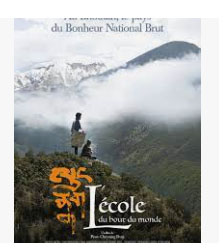
Lunana: A Yak in the Classroom
Synopsis
Lunana: A Yak in the Classroom follows Ugyen, a disillusioned young teacher in modern Bhutan who dreams of moving to Australia to pursue a career as a pop singer. Reluctantly fulfilling his government service contract, he is assigned to teach in the most remote school in the world, located in the glacial Himalayan village of Lunana. Arriving after an exhausting eight-day trek, he finds a primitive schoolhouse with no electricity, no books, and a yak living inside the classroom. Through the profound warmth, music, and deep hospitality of the villagers, Ugyen undergoes a transformative journey of self-discovery.
The Making of the Film
Directed by Pawo Choyning Dorji, the film was shot on location in Lunana, one of the most isolated human settlements on Earth at an altitude of nearly 5,000 meters. The director was inspired by the desire to capture the authentic spirit of gross national happiness, community connection, and traditional Bhutanese culture before modern technology alters it entirely. The production relied on solar-powered batteries and cast actual villagers who had never seen a movie before.
Critical Reception
Critics universally praised the film for its breathtaking Himalayan cinematography, profound emotional sincerity, and heartwarming simplicity. Reviewers highlighted how the movie avoided heavy-handed cliches, offering instead a gentle, meditative look at finding purpose and gratitude. The non-professional village cast received high acclaim for their natural charm.
Audiences around the world fell deeply in love with the film's gentle humor, stunning landscapes, and inspiring message about human connection and contentment. Viewers found it to be a deeply moving and soul-restoring cinematic experience.
The film achieved historic international acclaim, earning Bhutan its very first Academy Award nomination for Best International Feature Film, alongside numerous audience choice awards worldwide.
Behind-the-Scenes Stories
Pawo Choyning Dorji drew inspiration from real-life accounts of young Bhutanese educators sent to remote mountain outposts, aiming to contrast urban modern desires with timeless rural wisdom.
Filming at extreme high altitudes without standard studio infrastructure required the entire cast and crew to hike for days carrying camera gear, battling altitude sickness and freezing temperatures.
During the filming of the classroom scenes, the actual yak used in production occasionally wandered off to graze on mountain grass, providing unscripted comedic relief that delighted the crew.
Casting focused primarily on real residents of Lunana, including the village local captain and school children, whose authentic daily lives anchored the film's realism.
Themes Explored
The film explores happiness versus material wealth, urban alienation versus rural community, gratitude, education, and finding one's true vocation.
Ending Explained
The narrative concludes with Ugyen returning to the city with his guitar, but his heart has been forever transformed by his time in Lunana, leading him to sing traditional mountain songs with renewed soul.
Meaning of the Title
The title combines the remote Himalayan village setting of Lunana with the literal presence of a yak sharing the rudimentary school classroom.
Original Soundtrack
The original soundtrack features haunting, beautiful traditional Bhutanese folk songs sung a cappella by local villagers against sweeping mountain vistas, evoking deep spiritual peace.
Similar films include The Cup, The Chorus, Local Hero, and Tracks.