

 Français
Lucky
Synopsis
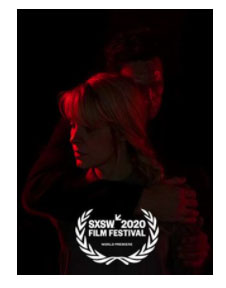
Lucky follows May, a popular self-help author living a seemingly perfect suburban life who finds her world upended when a masked man begins breaking into her home every single night to try and kill her. Desperate for help, May turns to her neighbors and local law enforcement, only to discover a chilling societal apathy—everyone acts as though her nightly assaults are completely normal and her own fault for not protecting herself better. Forced into a terrifying cycle of survival, May transforms into a relentless warrior fighting against an indifferent world.
The Making of the Film
Directed by Natasha Kermani and written by star Brea Grant, the film was conceived as a razor-sharp feminist psychological horror-thriller using genre allegory to explore the systemic societal gaslighting of women who report trauma or assault. The inspiration stemmed from real-world frustrations with victim-blaming culture. The production utilized tight suburban locations and escalating night-time set pieces to build an oppressive, Kafkaesque atmosphere.
Critical Reception
Critics praised the film for its bold feminist metaphor, sharp satirical wit, and Brea Grant's powerhouse lead performance. Reviewers noted that while its surreal premise polarized some viewers, its urgent thematic punch and effective genre thrills made it a standout indie horror release. The clever use of repetition to build dread received widespread praise.
Audiences appreciated the film as an empowering, darkly humorous genre piece that addressed serious cultural issues with inventive storytelling. Fans of elevated horror found it to be a thought-provoking watch.
The film received recognition at independent horror and fantasy film festivals, winning accolades for its fearless screenplay, direction, and lead acting performance.
Behind-the-Scenes Stories
Natasha Kermani and Brea Grant drew inspiration from classic twilight-zone thrillers, feminist horror literature, and real-world testimonies of systemic victim-blaming.
Shooting consecutive night scenes in a single suburban house required strict schedule management and physical endurance from the lead actress, who appeared in almost every frame.
During the filming of the recurring kitchen break-in scene, the stunt coordinator worked closely with Grant to vary the choreography slightly each night to reflect the protagonist's evolving exhaustion and combat readiness.
Casting discussions focused on finding an actress who could seamlessly transition from polished self-help guru to desperate, furious survivalist.
Themes Explored
The film explores systemic gaslighting, victim-blaming, female rage, societal apathy toward women's safety, and the surreal nightmare of fighting an institutionalized enemy.
Ending Explained
The climax features May taking the cycle of violence into her own hands, breaking the surreal loop of apathy and symbolically destroying the masked attacker that represents institutional misogyny.
Meaning of the Title
The title serves as a grim irony, contrasting the ironic phrase 'you are lucky it wasn't worse' hurled at assault victims with the protagonist's harrowing fight for survival.
Similar films include The Invisible Man, Ready or Not, You're Next, and Groundhog Day (horror twist).